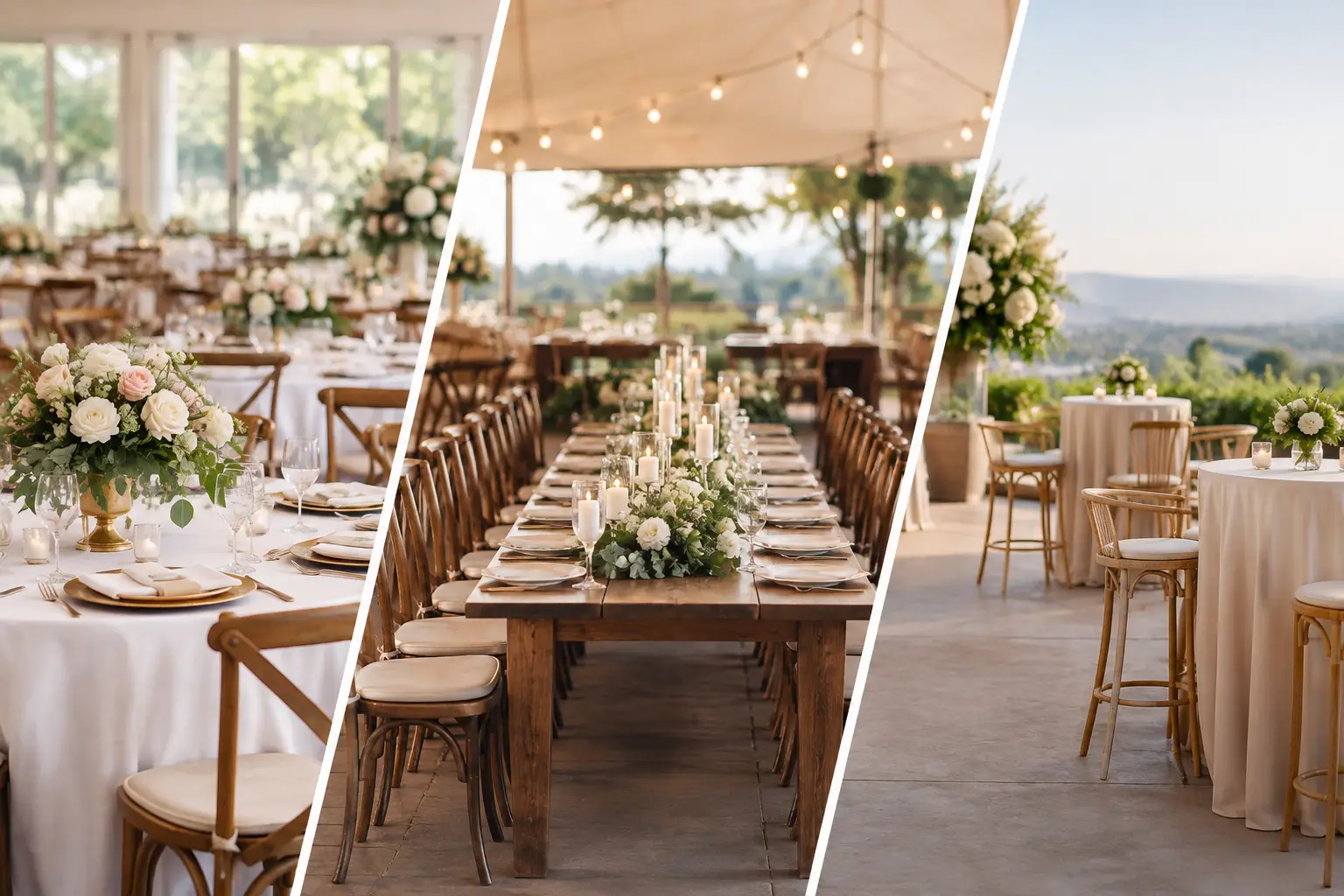
A venue can set the tone before the first drink is poured. Guests arriving at a hotel may expect polished formality and a familiar function-room experience. Guests arriving at a golf clubhouse often step straight into open skies, leafy surrounds and a more relaxed sense of occasion. When weighing up a clubhouse event versus hotel venue, the right choice comes down to what you want people to feel, as well as the practicalities behind the scenes.
For celebrations, corporate functions and community gatherings around Sydney, both options can work beautifully. The difference is rarely about one being universally better. It is about matching the setting, service style and location to your guest list and the purpose of the day.
Clubhouse event versus hotel venue: the atmosphere
Hotels are built for events. Their lobby, accommodation, reception spaces and meeting rooms can create a polished backdrop for large conferences, formal dinners and guests travelling from interstate or overseas. If your event needs bedrooms upstairs, multiple breakout rooms or a late finish in the heart of the city, a hotel has obvious appeal.
A clubhouse offers something hotels often cannot replicate: a genuine connection to its setting. Rather than walking into another enclosed function floor, guests can gather beside a course, look out across greenery and enjoy an occasion that feels separate from the weekday routine. At a venue such as Northbridge Golf Club, the heritage park setting and views towards Middle Harbour bring a distinctly North Shore character to the experience.
That matters for engagement parties, milestone birthdays, wedding receptions, school reunions and team celebrations. People tend to arrive a little earlier, mingle a little longer and take notice of the view. The setting gives the event a personality without requiring elaborate styling.
The trade-off is that a clubhouse is generally less suited to an event that needs a ballroom-scale production or accommodation for hundreds of delegates. But for groups seeking warmth, scenery and an easy social rhythm, it can feel more memorable than a standard hotel room.
Location is more than a postcode
Sydney event planning can quickly become a transport puzzle. A city hotel may be close to offices and major transport hubs, but peak-hour traffic, expensive parking and the general rush of the CBD can affect the guest experience. For people coming from the North Shore and nearby suburbs, travelling into the city and back out again can make an otherwise enjoyable evening feel like a mission.
A well-located clubhouse gives guests a destination without sending them far from home or work. This is especially useful for local businesses hosting client lunches, associations planning a dinner, or families bringing together guests from across the northern suburbs. Convenient access and parking can have more impact on attendance than a glossy brochure ever will.
Consider the timing as well. A breakfast meeting or daytime conference may benefit from a hotel close to city offices. A Friday afternoon team event, long lunch or evening celebration may suit a clubhouse where guests can relax, enjoy the outlook and avoid the feeling that they are still at work.
Food, service and flexibility
Hotel venues can offer extensive event packages, established banquet operations and a broad range of room configurations. For complex events with strict schedules, large delegate numbers and detailed technical requirements, that infrastructure is valuable. A hotel can be a sensible choice when the priority is predictable scale.
Clubhouse hospitality is often more personal. The best club venues combine professional event coordination with a service style that feels less corporate. Guests may move naturally between a dining area, terrace and outdoor spaces rather than staying seated in the same room all day. That flexibility is particularly appealing for cocktail events, relaxed lunches and celebrations where conversation is as important as the formal programme.
Food should be judged on more than package inclusions. Ask whether the menu suits the occasion, whether dietary needs can be accommodated thoughtfully and whether service will feel appropriately paced. A formal awards night calls for a different approach to a birthday lunch after nine holes of golf.
Drinks are worth considering early, too. Hotels may offer comprehensive beverage packages, while a clubhouse can provide a more relaxed social setting for guests enjoying a drink with a view. Neither approach is automatically better. The question is whether the offering feels right for your people and your budget.
Look beyond the venue hire figure
The initial venue-hire price is only one line in the event budget. Hotels may bundle rooms, catering, furniture, audio-visual equipment and staffing, which can simplify planning. It is still worth checking minimum spends, service charges, parking costs, accommodation commitments and overtime fees before comparing quotes.
Clubhouse venues can represent strong value where the setting does some of the work. Natural greenery, course views and outdoor areas may reduce the need for heavy styling, elaborate backdrops or extensive entertainment. Parking can also be more straightforward, which is a genuine saving for guests rather than simply a line on the organiser’s spreadsheet.
Ask every venue for a clear picture of what is included. A useful comparison covers room hire, food and beverages, furniture, staffing, setup time, access for suppliers, audio-visual needs and wet-weather arrangements. It also helps to understand the minimum guest numbers, final-number deadline and cancellation terms.
For a clubhouse event, ask whether your group can add a round of golf, putting activity or golf clinic. A short on-course activity can turn a standard corporate lunch into a team experience, or give a social group an enjoyable reason to arrive early. For non-golfers, this should always be optional rather than the centrepiece.
Which events suit each venue best?
A hotel is often the stronger option for national conferences, multi-day training sessions, major gala dinners and events where a substantial number of guests need to stay overnight. It is also practical when you require several rooms operating at once, high-end production equipment or a CBD location for attendees travelling from many directions.
A clubhouse is particularly well suited to weddings, anniversaries, birthdays, wakes, fundraisers, local business events, golf days, client entertaining and team celebrations. It can also work brilliantly for meetings that need to feel less like meetings. Start with a focused presentation, then move into lunch, drinks or an outdoor activity that gives people time to connect.
Guest expectations should guide the decision. A boardroom-style strategy day may call for privacy, screens and a tightly managed timetable. A 40th birthday, end-of-year lunch or community fundraiser benefits from an environment where guests can settle in, enjoy the surrounds and make an afternoon of it.
A simple way to make the call
Before booking, picture the first 30 minutes of your event. Where do guests park? What do they see when they arrive? Can they find the room easily? Is there somewhere pleasant to wait with a drink, and will the space reflect the reason everyone has come together?
Then picture the final 30 minutes. Will people leave promptly because the event has run its course, or will they stay for one more conversation because the venue has made them comfortable? That small detail is often the difference between a function that runs well and one people talk about afterwards.
Choose the hotel when accommodation, large-scale logistics and city-centre convenience are essential. Choose the clubhouse when you want Sydney scenery, approachable hospitality and an occasion that feels social from the moment guests arrive. The best venue is the one that lets your guests focus less on getting there and more on being part of the day.