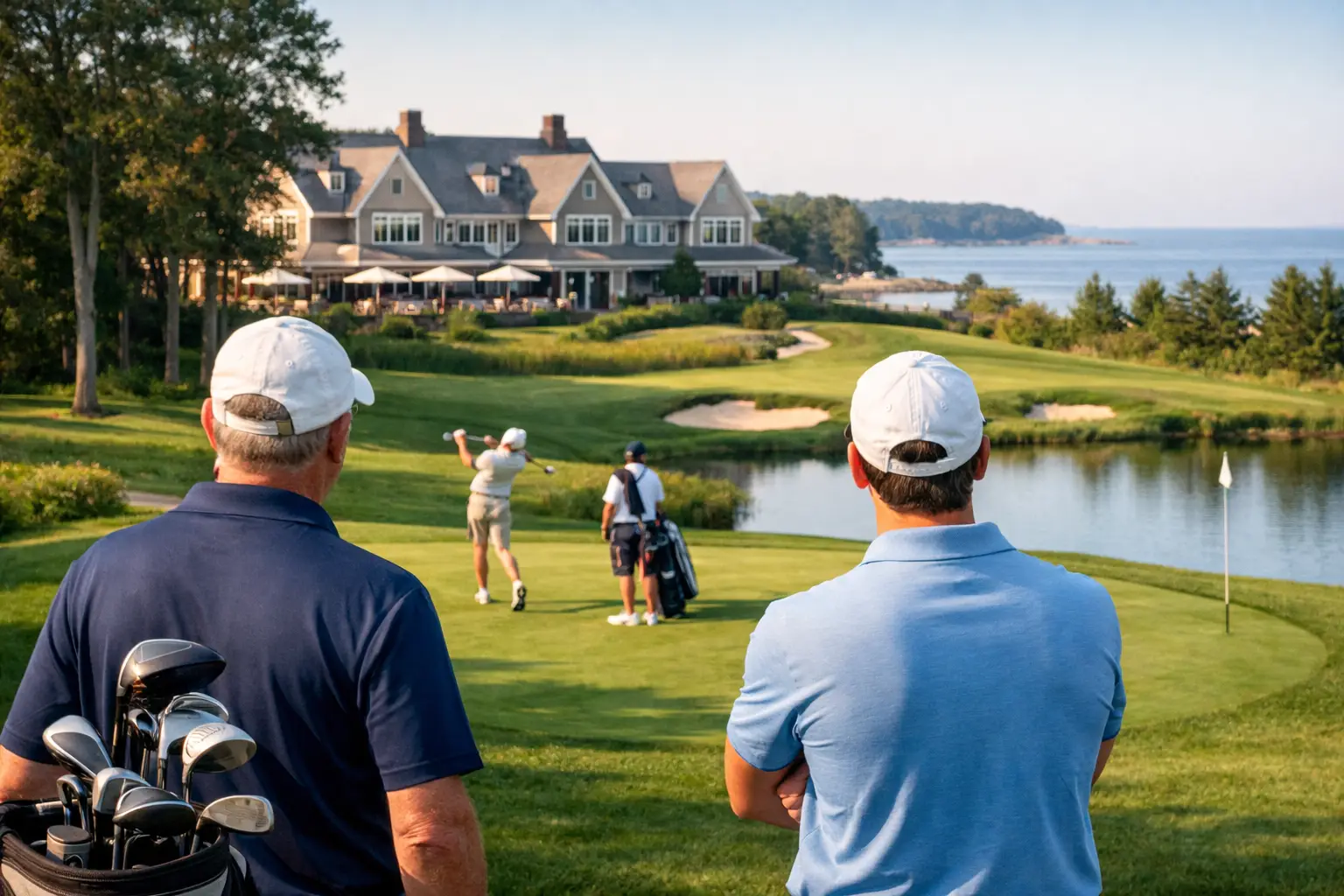
A successful charity golf day is not simply a round followed by a raffle. It is a chance to bring people together around a cause, give guests a genuinely enjoyable day out and turn shared goodwill into meaningful funds. If you are planning how to host a golf fundraiser, the best results come from treating the event as both a fundraiser and a well-run social occasion.
For Sydney businesses, schools, sporting clubs and community groups, golf offers a rare mix of friendly competition, relaxed conversation and natural opportunities for support. The key is to make it easy for people to say yes, easy for sponsors to see value and easy for guests to enjoy every part of the day.
Start with a clear fundraising target
Before selecting a date or inviting the first player, decide what success looks like. Set a realistic financial target, identify exactly where the money will go and determine how you will communicate that purpose on the day.
A specific message is more compelling than a broad appeal. Guests are more likely to book a team, donate a prize or bring colleagues along when they understand that their contribution will help fund new equipment, support a local programme, assist families or deliver a clearly defined outcome.
Build a simple budget early. Account for course access, food and beverage, signage, prizes, entertainment, printing, payment fees and any fundraising platform costs. Then consider each revenue stream: player entries, sponsorship packages, on-course activities, auctions, raffles and direct donations. A full field is valuable, but sponsorship and additional giving are often what lift a good golf day into a strong fundraising result.
Choose a venue guests will want to visit
The venue shapes the whole experience. A course that is accessible, scenic and supported by a capable hospitality team gives organisers more time to focus on their cause rather than logistics.
For a Sydney audience, location matters. If players can reach the course without committing to a long drive, they are more likely to bring clients, friends or colleagues. Look for a venue with practical parking, welcoming clubhouse spaces, quality catering and an event team that understands timings for registration, shotgun starts, presentations and post-game drinks.
At Northbridge Golf Club, groups can combine an 18-hole day with a relaxed clubhouse gathering in a heritage park setting overlooking Middle Harbour, just minutes from the CBD. That sort of close-to-city convenience can make a real difference to attendance, especially for corporate guests fitting the event around a working day.
Make the format inclusive
Not every supporter will be a regular golfer. A fundraiser should welcome keen players while ensuring beginners and occasional golfers feel comfortable joining in.
A four-person Ambrose format is often the best choice for a charity day. Each player hits a shot, the group selects the best ball and everyone plays from that position. It keeps the pace moving, reduces pressure on less experienced golfers and encourages teamwork. Stableford can work well for a more golf-focused field, but it may feel less approachable if your guest list includes first-timers.
Consider offering a shorter option for guests who want to support the cause but cannot commit to 18 holes. Nine holes, a clinic before lunch or a lunch-only ticket can widen participation without changing the character of the event. The aim is not to make every person a golfer. It is to give every person a worthwhile way to contribute.
Plan the day around guest energy
A smooth schedule makes the event feel generous rather than rushed. Allow time for registration, coffee and introductions before play. Brief players clearly, keep the on-course programme light enough that the round remains enjoyable, then give the room time to reconnect afterward.
The presentation period is where the fundraising message lands. Serve food, thank sponsors, celebrate competition winners and explain the impact of the funds raised before moving into the auction or major prize draw. Guests are generally more receptive once they have played, eaten and settled into the social side of the day.
Build sponsorship around genuine value
Sponsorship should not feel like a request for a logo and a cheque. Give local businesses clear, relevant ways to be seen by their audience while helping a cause that matters to the community.
Create a small number of simple packages rather than an overcomplicated menu. A naming sponsor may receive prominent pre-event recognition and speaking time at the presentation. Hole sponsors can host a tee activity, display signage or provide refreshments. Prize sponsors can contribute vouchers, experiences or products that help keep costs down.
Be specific about what sponsors receive: the expected guest numbers, promotional opportunities, signage placement, acknowledgement during the event and post-event recognition. Just as importantly, explain the story behind the fundraiser. A local business is far more likely to support an event when it can see both the audience and the impact.
Avoid promising exposure that your event cannot realistically deliver. A smaller, well-attended day with a warm local audience can be valuable, but it should be presented honestly. Strong sponsor relationships are built on follow-through, not inflated claims.
Add fundraising moments without overloading the round
The best on-course activities are quick, fun and optional. They create a little friendly theatre while giving guests extra ways to support the cause.
Popular options include a putting challenge, nearest-the-pin competition, longest drive, mulligans, a straightest-drive prize or a beat-the-pro challenge. A ball toss or raffle sold during registration can also work well because it does not interrupt play.
Use cashless payment wherever possible. A QR code at each activity, clear signage and a volunteer nearby will make donations far easier than asking people to search for coins. Test every payment process before guests arrive, including mobile reception and backup options.
For auctions, quality matters more than quantity. A handful of appealing items, such as a weekend escape, dining experience, signed sporting memorabilia or a group golf package, will usually outperform a long list of minor prizes. Invite a confident host to keep the bidding lively and share a brief reminder of what each dollar will support.
Recruit the right volunteers and brief them well
A charity golf day has plenty of moving parts: registration, player packs, sponsor signage, on-course games, score collection, raffle sales and guest questions. Volunteers are essential, but only when each person understands their role.
Give every volunteer a short run sheet with their arrival time, contact person, task list and key event details. Assign one person to solve problems rather than leaving every question with the organiser. It is also wise to have a weather plan, extra pens, printed scorecards and clear instructions for any dietary requirements.
Friendly volunteers set the tone from the first hello. They do not need to be golf experts. They simply need to know where people should go, what happens next and how to make guests feel welcome.
Promote the experience, not just the cause
Your cause is the reason people give, but the day itself is often why they attend. Invite people to enjoy a round with friends, host clients, meet local businesses or spend time outdoors with their team while supporting something worthwhile.
Start promotion early, particularly if you need corporate teams or sponsors. Share the date, location, fundraising purpose and inclusions in one clear message. Then keep communication regular without overwhelming people. A reminder about team places, a sponsor announcement or a preview of auction prizes gives prospective guests a reason to act.
Make booking straightforward. Include one point of contact for team entries, sponsorship enquiries and donation questions. Once people register, send practical details promptly: dress expectations, arrival time, golf format, parking information and what is included. Clear communication reassures guests that the event will be professionally run.
Follow up while the goodwill is fresh
The final scorecard is not the end of the fundraiser. Thank players, sponsors, volunteers and prize donors within a few days, and tell them what the event achieved. Share the total raised, photographs from the day and, where possible, the next step for the funds.
This follow-up is not just good manners. It gives supporters confidence that their contribution mattered and makes next year’s invitation much easier. Keep notes on what sold well, where the schedule tightened and which sponsors were especially engaged, then use those insights to improve the next event.
A well-hosted golf fundraiser leaves guests talking about more than who won the longest drive. It leaves them feeling connected to a cause, appreciated for their contribution and keen to be part of the next day on the course.