A corporate golf day used to follow a familiar formula: breakfast, 18 holes, presentations and a long lunch. That format still has its place, but the future of corporate golf events is broader, more flexible and far more focused on how guests feel from arrival to farewell.
For Sydney businesses, the appeal is clear. People want face-to-face time away from meeting rooms, traffic and inboxes, without committing to a weekend away or a lengthy trip beyond the city. A well-planned golf event creates room for genuine conversation, fresh air, a little friendly competition and hospitality that feels like a reward rather than another work obligation.
The best events will continue to use golf as the centrepiece. They will simply make it easier for more people to enjoy the day, whether they play every week, have not picked up a club in years, or are there mainly for the lunch and the company.
The Future of Corporate Golf Events Is More Inclusive
Corporate groups are no longer made up of one type of guest. A typical guest list may include experienced golfers, beginners, interstate visitors, clients, partners and colleagues from different generations. A successful event must cater for all of them without making anyone feel like an outsider.
This is changing how organisers think about the day. Eighteen holes remains ideal for groups who want a traditional competition and plenty of time on course. Yet nine-hole formats, clinics with a golf professional, putting challenges and team-based activities can be a better fit for a mixed group or a tighter schedule. They lower the barrier to joining in while retaining the social energy that makes golf days memorable.
The goal is not to remove the competitive edge. It is to give guests more than one way to take part. Nearest-the-pin, longest-drive and novelty prizes create moments of fun, but a beginner-friendly briefing and relaxed team format can be just as valuable. When guests are comfortable, they are more likely to stay engaged, meet new people and speak positively about the event afterwards.
For employers, this matters. An event that only suits confident golfers can unintentionally exclude part of the team. A program designed for varying ability levels sends a clearer message: everyone is welcome.
The Golf Day Is Becoming a Full Hospitality Experience
The course may bring people together, but hospitality often shapes what they remember. A great coffee on arrival, a smooth registration process, a well-timed drinks stop and a lively meal after play all matter as much as the scorecard.
That is why the most effective corporate golf events are planned as complete experiences, rather than a block booking of tee times. Guests should know where to go, what to wear, when they are playing and what happens if they are not playing. Small practical details create an easy atmosphere from the outset.
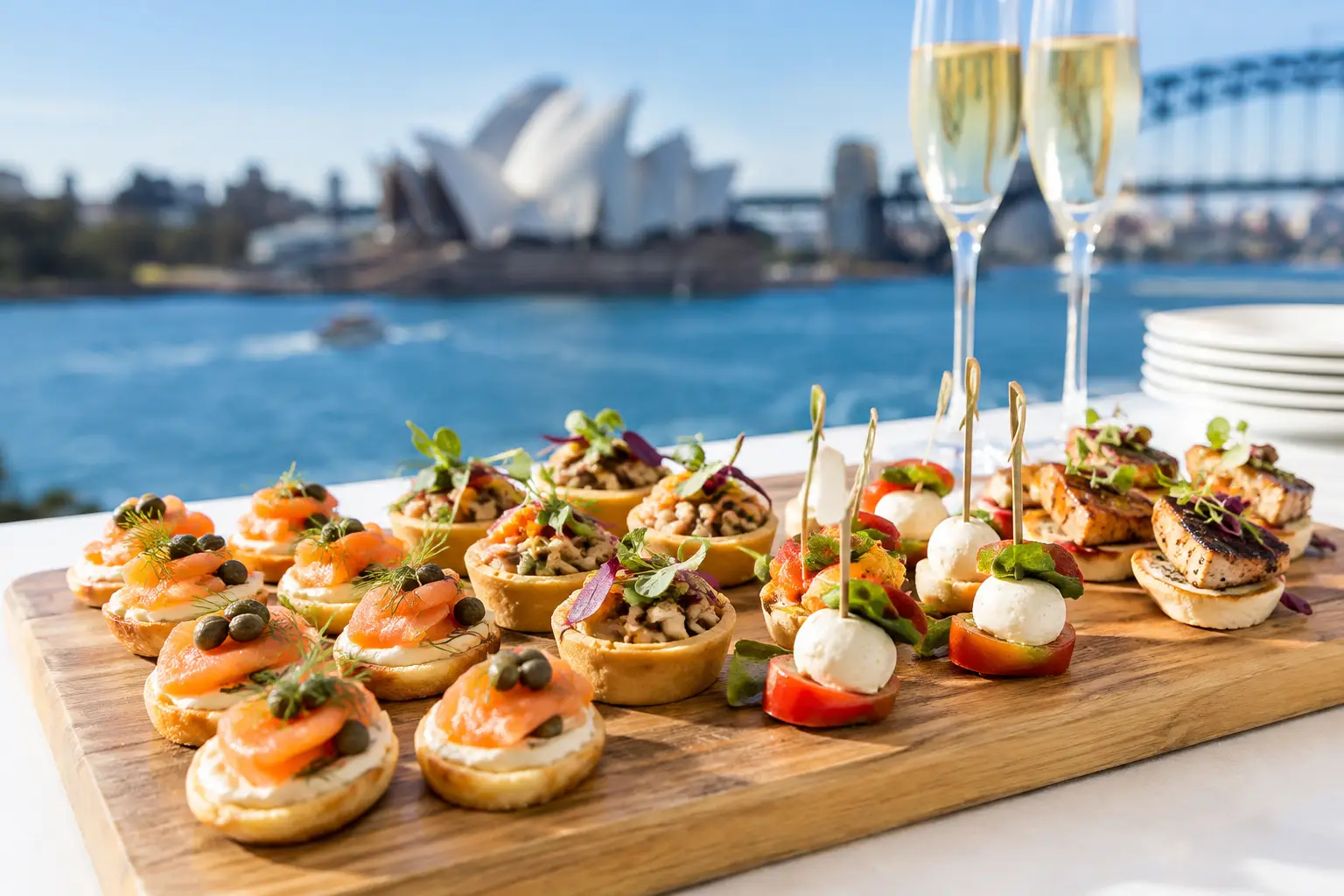
Food is also becoming more central to the occasion. Some groups want a quick breakfast before heading out. Others place the emphasis on a long lunch, a cocktail-style gathering or a presentation dinner after the round. There is no single right answer. It depends on the purpose of the event, the time available and the people in the room.
A client appreciation day may call for a polished lunch and a slower pace. A staff celebration may work better with relaxed food, team prizes and music in the clubhouse. A fundraising event may need an auction, sponsor recognition and a program that keeps the room moving. The common thread is thoughtful hosting.
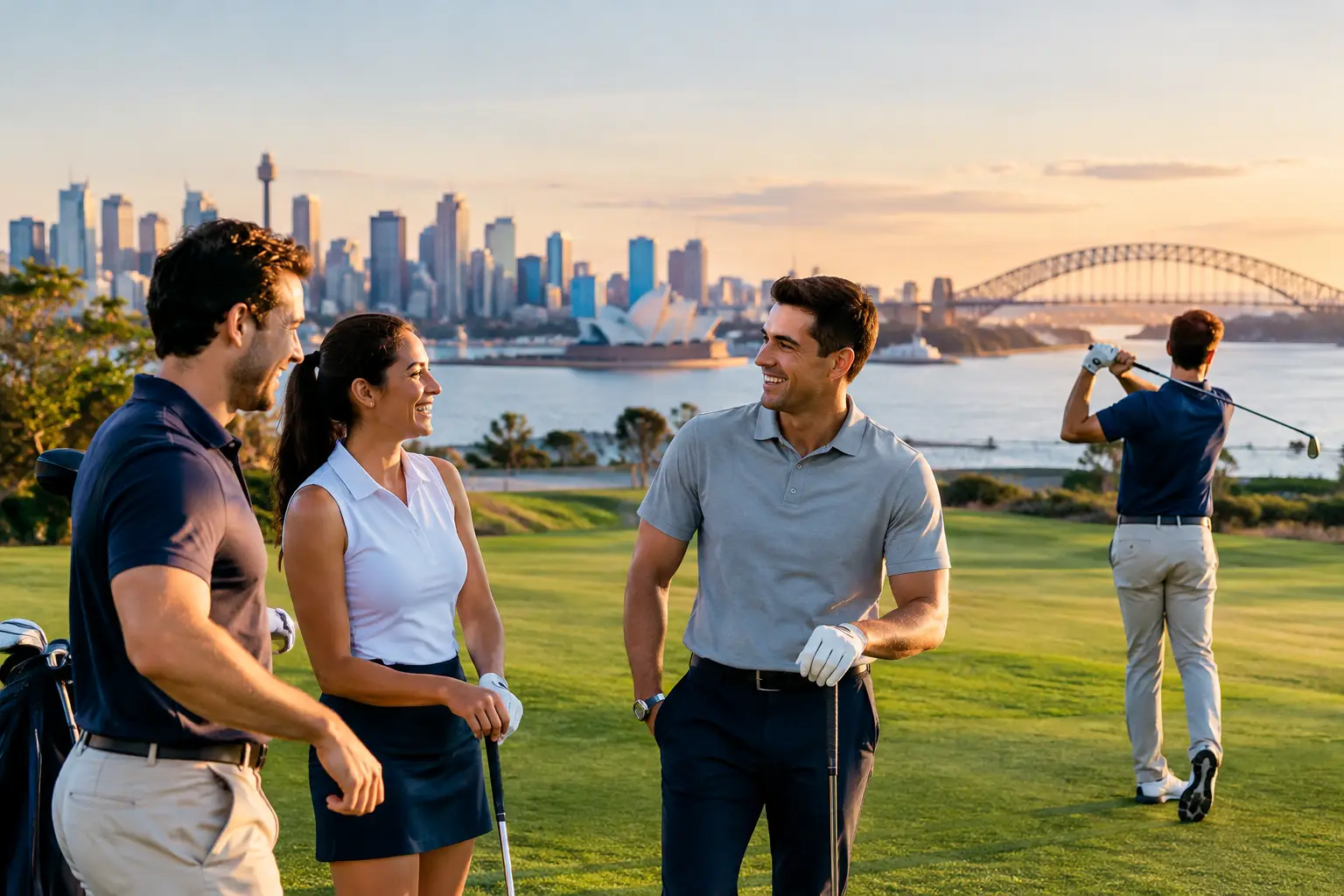
At Northbridge Golf Club, the setting overlooking Middle Harbour adds something that cannot be replicated in a hotel function room. It gives people a chance to step into a heritage park setting close to the CBD, then settle in for good food, conversation and a genuinely social finish to the day.
Time Will Be Treated as a Premium
Sydney professionals are busy, and corporate event planning is increasingly shaped by time. A full-day golf event remains valuable for major client entertaining, annual traditions and larger relationship-building opportunities. However, shorter formats are likely to become more common.
A nine-hole afternoon followed by drinks can be easier for guests to commit to than an entire weekday away from work. A morning clinic and brunch can suit teams looking for connection without the formality of a full tournament. Twilight golf can offer a more relaxed tone, especially in warmer months when the light is softer and the clubhouse gathering becomes part of the draw.
This does not mean full rounds are disappearing. It means organisers will make a clearer choice. If the aim is deep conversation with a small group of clients, 18 holes gives people time to connect naturally. If the aim is team participation, a shorter, more accessible format may deliver a better turnout and stronger energy.
The most useful question is not, “What has always been done?” It is, “What will make it easy for this group to say yes?”
Technology Should Support the Human Part
Corporate events will become more polished behind the scenes, but guests should not feel managed by a screen all day. Digital invitations, dietary information, team allocations and event updates can simplify planning before guests arrive. Clear communication also reduces the last-minute uncertainty that can frustrate both organisers and players.
On the day, technology can add to the fun through live scoring, digital leaderboards and branded event photography. These tools work best when they support the atmosphere rather than dominate it. Nobody attends a golf day to stare at their mobile between shots.
The same principle applies to event branding. Sponsor signage, welcome materials and prize displays should feel considered and useful, not cluttered. A strong brand presence comes from a well-run experience: friendly welcomes, relevant messaging, quality food and a program that respects guests’ time.
Purpose Will Matter More Than Perks
Businesses are being more deliberate about why they bring people together. Corporate golf events can support sales relationships, team wellbeing, staff recognition, community partnerships and fundraising. The strongest days make that purpose visible without becoming overly formal.
For a charity event, guests should understand where funds are going and how their participation helps. For a staff day, leaders can use the occasion to recognise good work in a setting that feels personal. For a client event, the focus should be generous hospitality and unhurried conversation, not a hard sell between holes.
Sustainability will also be part of the decision-making process for many businesses. A venue close to the city can reduce travel time and make attendance more practical. Seasonal menus, sensible event materials and careful waste management are increasingly expected, even if guests do not see every operational detail.
There are trade-offs. Large-scale giveaways and elaborate theming can create excitement, but they can also produce unnecessary waste or pull attention from the reason people are there. Often, a scenic setting, excellent service and a considered program are the more lasting choices.
What Organisers Should Prioritise Now
The future will favour events that feel personal, easy and well paced. That starts with understanding the guest list before choosing the format. Ask how many people are regular golfers, whether clients or partners are attending, and how much time guests can realistically set aside.
It is also worth planning for the moments between golf. Arrival, registration, the first drink after play and the presentation are where people mingle across teams and build new connections. Allow enough time for these moments rather than squeezing every minute into the course schedule.
Weather planning deserves the same attention. Sydney’s outdoor conditions are part of golf’s appeal, but a confident organiser has a wet-weather option, sheltered gathering spaces and clear communication ready if plans need to change. Guests will forgive rain. They will remember confusion.
Finally, choose a venue that understands both golf and hospitality. A playable course is essential, but so are accessible location, welcoming staff, quality food and spaces that work before and after the round. The event should feel effortless to guests, even when there is plenty happening in the background.
The corporate golf day is not becoming less relevant. It is becoming more thoughtful. Give people a beautiful place to gather, a format that welcomes every confidence level and enough time to enjoy each other’s company, and the business value tends to follow naturally.