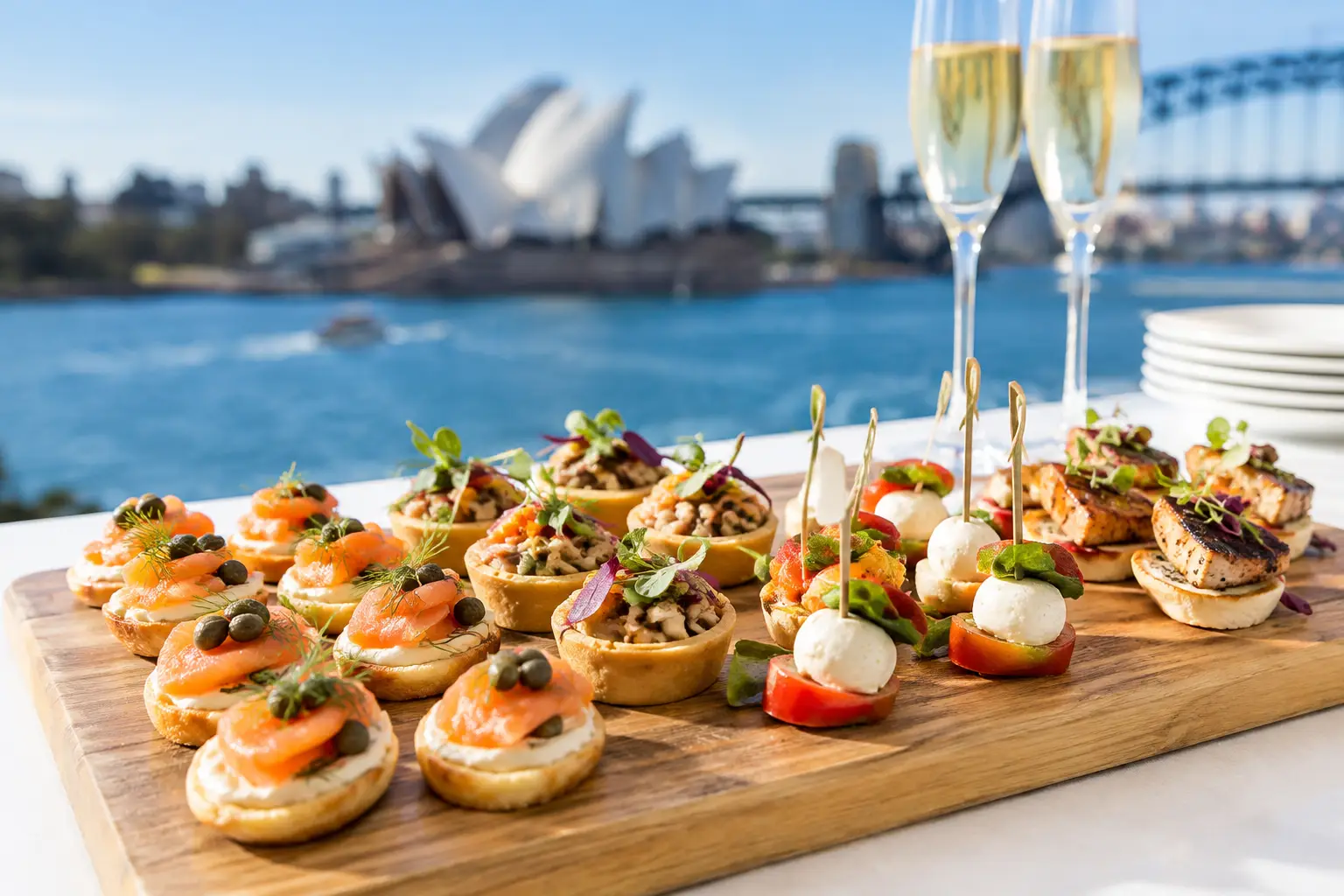
A canapé that never reaches the far end of the room, a main course served after speeches have run late, or a bar queue just as the celebration gets moving can change how guests remember an event. Great event catering is not simply about choosing appealing food. It is about reading the room, setting a comfortable pace and making every guest feel considered from their first drink to the final farewell.
Whether you are planning a corporate lunch, a milestone birthday, a wedding reception or a relaxed family gathering, catering should support the reason people have come together. The most successful occasions feel easy for guests, even though plenty of careful decisions have happened behind the scenes.
Event catering begins with the occasion
Before looking at menus, be clear about the feeling you want guests to take away. A networking evening needs movement, conversation and food that is simple to enjoy while standing. A formal dinner calls for a more measured rhythm, with time for speeches, table service and shared celebration. A daytime family event may suit food that is familiar, flexible and generous without becoming overly formal.
Guest numbers matter, but they are only one part of the brief. Consider the mix of ages, whether people know one another, how long the event will run and what happens before and after the meal. A group arriving straight from work may appreciate substantial canapés and an early food service. Guests gathering after a round of golf often welcome a relaxed meal and a chance to settle in over a drink.
The venue also shapes the experience. A light-filled room, terrace or outlook across green open space can invite a more social, unhurried style of service. It is one reason celebrations at Northbridge Golf Club can feel like a genuine escape from the city, while remaining close enough for Sydney guests to arrive with ease.
Choose a service style that fits your guests
There is no single best format for event catering. The right choice depends on the event’s purpose, the room layout and the degree of formality you want.
Canapés work especially well for launches, cocktail functions and celebrations where guests will be moving between conversations. They keep the atmosphere lively and, when planned properly, can be satisfying enough to carry an evening. The trade-off is that timing and quantity are crucial. If the event spans several hours, guests need more than a few delicate bites.
A seated two- or three-course meal creates a clear focal point and gives hosts a natural structure for speeches and presentations. It suits weddings, award nights and significant family occasions, particularly when guests will value the chance to sit together. It does, however, require a realistic run sheet. Starting late can put pressure on the kitchen and leave guests waiting.
Shared platters bring warmth to the table and encourage conversation. They are often a lovely fit for groups that want restaurant-quality food without a highly formal feel. Individual dietary requirements need extra thought with this format, so make sure alternatives are served with the same care as the main spread.
Buffet dining can offer variety and suit a larger, more relaxed gathering. It is worth allowing enough space for guests to move freely and enough time to avoid one long queue. For a corporate event with a tight schedule, plated service may be more efficient. For a weekend celebration with plenty of mingling, a buffet may be exactly right.
Build a menu with generosity and balance
A good menu should have a point of view, but it should not make guests work too hard to find something they can enjoy. Seasonal produce, familiar favourites and a few memorable touches usually strike the right balance. Think fresh seafood or bright salads for warmer Sydney days, then richer roasts, slow-cooked dishes and comforting desserts when the weather cools.
Variety matters most across the whole menu, rather than in every individual dish. If canapés include richer pastry or fried options, balance them with something fresh and lighter. If the main course is substantial, a clean, simple entrée may work better than another heavy plate. Dessert can be a standout moment, but it does not need to be oversized after a long meal.
Dietary needs should be gathered when invitations go out, not chased down a few days before the event. Ask about allergies as well as preferences, and pass details on clearly. Vegetarian, vegan, gluten-free and dairy-free guests should receive a meal that feels intentionally designed, rather than a lesser substitute prepared at the last minute.
Drinks deserve the same attention. A concise beverage selection that matches the time of day and style of event is often more successful than an oversized list. Sparkling wine on arrival, quality local wines with dinner, beer, soft drinks and appealing non-alcoholic choices will suit many functions. For longer events, consider how food and drinks will be paced together so guests are comfortable throughout the day or evening.
Plan the timing, not just the menu
The best food can still fall flat if it arrives at the wrong time. Map the guest journey from arrival to departure, including travel time, welcome drinks, photographs, speeches, presentations and any entertainment. Then build catering around the moments when people naturally need a pause or a lift in energy.
For an evening event, guests generally need something to eat soon after arrival, particularly if drinks are being served. For a lunch, it helps to know whether attendees have had a morning activity, meeting or golf game beforehand. Serving food promptly is a small detail that feels like thoughtful hospitality.
It also pays to allow breathing room. Events can run late, conversations can take longer than expected and weather may affect an outdoor arrival. A flexible catering plan gives hosts options if speeches extend or guest numbers change slightly. Your venue team should know the run sheet, but also understand the tone of the day well enough to adjust calmly when needed.
Make the setting part of the experience
Catering becomes more memorable when it belongs to the setting. At a venue overlooking parkland or water, guests may enjoy a sunset canapé service before dinner. For a daytime gathering, lunch on a terrace or a bright dining space can make the most of the view without requiring elaborate styling.
This does not mean every element needs to be themed. A carefully chosen menu, welcoming service and tables that are easy to talk across will usually do more than excessive decoration. Let the location do some of the work. On Sydney’s North Shore, a venue with natural outlooks and convenient access offers a rare combination for guests who want an occasion to feel special without spending half the day travelling.
Practical details count here too. Confirm wet-weather arrangements, accessibility, parking, dietary labelling and where guests can place bags or gifts. These are rarely the details guests praise out loud, but they are the ones that make an event feel considered and well run.
Ask the right questions before you book
A catering conversation is more productive when you arrive with a clear picture of the event. Before committing to a menu or package, be ready to discuss:
- the approximate guest count and any likely changes
- the purpose and desired mood of the event
- arrival time, food service time and planned finish
- dietary requirements and children’s meals, if relevant
- your preferred service style and beverage approach
- the budget range you would like to work within.
Be open about priorities as well. Some hosts care most about a long, leisurely lunch; others want a sharp one-hour corporate meal before a presentation. Some want an impressive grazing-style arrival, while others would rather put the budget towards a generous main course and excellent wine. There is no wrong priority, provided the catering plan reflects it.
Give guests something to talk about
The most effective event catering is felt rather than announced. Guests notice that the food arrives when they are ready for it, that there is something delicious for everyone and that service is friendly without interrupting the occasion. They remember the view, the conversation and the sense that the host chose a place worth gathering in.
Start with how you want people to feel, then let the menu, service and setting carry that feeling through the day. That is how an event becomes more than a date in the diary – it becomes a reason for guests to stay a little longer, reconnect and look forward to the next invitation.