A good golf lunch does more than fill the gap between a round and the trip home. It gives people time to swap stories from the course, welcome non-playing guests and enjoy the setting without anyone watching the clock. Knowing how to plan a golf lunch starts with one practical decision: is lunch the main event, a relaxed finish to golf, or part of a larger celebration?
That answer shapes everything from your tee times to your table layout. Get the timing, guest list and food right, and a golf lunch feels easy for everyone, whether you are organising a casual catch-up, a client day or a family occasion.
Start with the purpose of the day
A lunch after a social round has different needs from a corporate golf day. For a casual group, a reserved table, shared dishes and a flexible finish may be all that is needed. A business lunch usually calls for clearer timings, seating that encourages conversation and food that can be served promptly. For a birthday, engagement or club celebration, the atmosphere and space may matter just as much as the golf.
Be clear about who is attending, too. Some guests may only join you for lunch, while others may have different levels of golfing experience. Planning for both groups prevents the day becoming overly focused on scorecards and keeps everyone included.
Before making bookings, settle the date, approximate guest numbers, budget per person and whether drinks are hosted. These details make it far easier for a venue to recommend the right dining area, menu style and run sheet.
How to plan a golf lunch around tee times
Golf has its own pace, and lunch timing should respect it. A fourball can take around four to four-and-a-half hours, but groups can move faster or slower depending on the day, course traffic and player experience. Add time for a drink after the final hole, collecting bags and freshening up before sitting down.
For morning golf, booking lunch 30 to 45 minutes after the last group is expected to finish is a sensible starting point. If everyone is playing in one group, that is relatively simple. If you have several groups teeing off in sequence, work from the final tee time, not the first. Nobody enjoys arriving at a set lunch while half the party is still on the 15th hole.
If the lunch matters more than the golf, consider an early tee-off with a firm post-round finish. Alternatively, schedule lunch first and a shorter afternoon golf activity afterwards, such as a clinic, putting challenge or nine holes. This is often a better fit for mixed groups and corporate guests with limited time.
Build in a little breathing room
Avoid planning speeches, presentations or a cake-cutting moment the instant the final group is due in. A 15 to 20-minute buffer protects the flow of the day and feels far more hospitable. It also gives guests who are not playing time to arrive, settle in and enjoy the view before the group comes off the course.
Choose a food style that suits the group
The right menu should feel generous without slowing down the occasion. A plated two-course lunch suits smaller groups, client entertaining and occasions where you want a more formal rhythm. Shared starters and mains create a sociable feel for friends, families and teams, while a canapé or grazing-style offering works well if guests will be moving between the clubhouse, terrace and presentation area.
For larger groups, pre-selecting two or three main-course choices is often the best balance. It gives guests a choice while helping the kitchen serve everyone together. Asking for meal choices in advance is particularly helpful when lunch follows a shotgun start or a tightly scheduled event.
Think beyond the main menu. Confirm vegetarian, vegan, gluten-free and other dietary requirements early, rather than making those guests chase options on the day. In Sydney, where groups often include a broad mix of tastes and cultural backgrounds, a considered menu is one of the simplest ways to make everyone feel welcome.
Keep the weather in mind as well. A bright, warm day might call for lighter seafood, salads and chilled drinks, while a winter round on the North Shore can make a hearty meal and a warm dining room especially appealing.
Make the drinks plan clear, not complicated
There is no single right approach to drinks. A bar tab with a set limit is easy for a relaxed social lunch. A drinks package can make sense for a larger group or a celebration where you want costs confirmed in advance. For business events, a modest hosted arrival drink followed by individual purchases may be the most practical option.
Whichever option you choose, communicate it clearly. Guests should know whether drinks are included, which beverages are covered and when the tab finishes. This removes awkwardness and helps you stay on budget.
It is also worth putting non-alcoholic choices on equal footing. Sparkling water, quality soft drinks and appealing alcohol-free options matter after a morning outdoors, particularly for drivers and guests heading back to work.
Pick a space that matches the mood
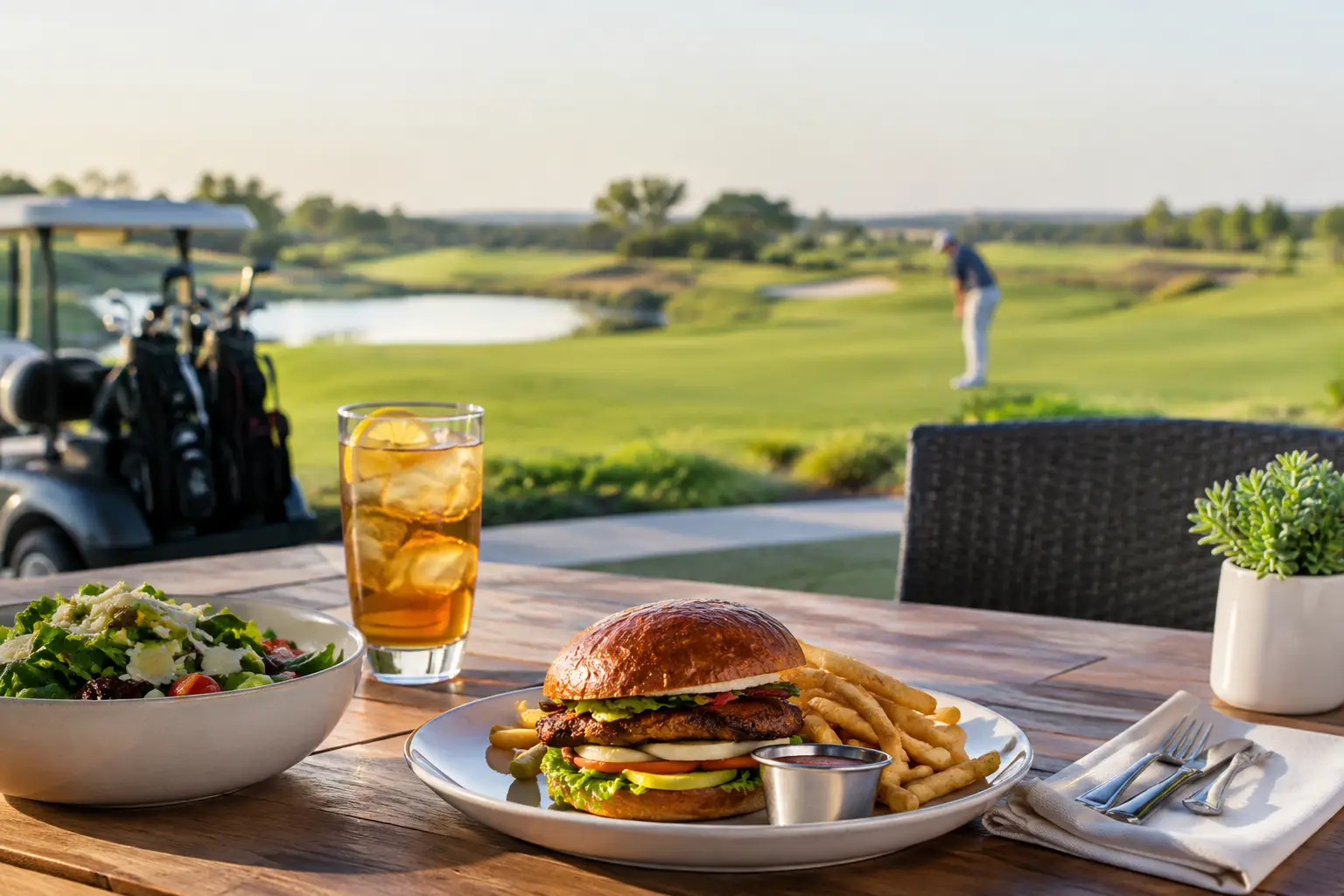
The dining space changes the character of a golf lunch. A restaurant table works beautifully for a small group looking for an easy, relaxed finish. A private room can be better for presentations, speeches or confidential business conversations. A terrace or room with course views adds occasion to birthdays, reunions and visiting guests who may not usually spend time around a golf club.
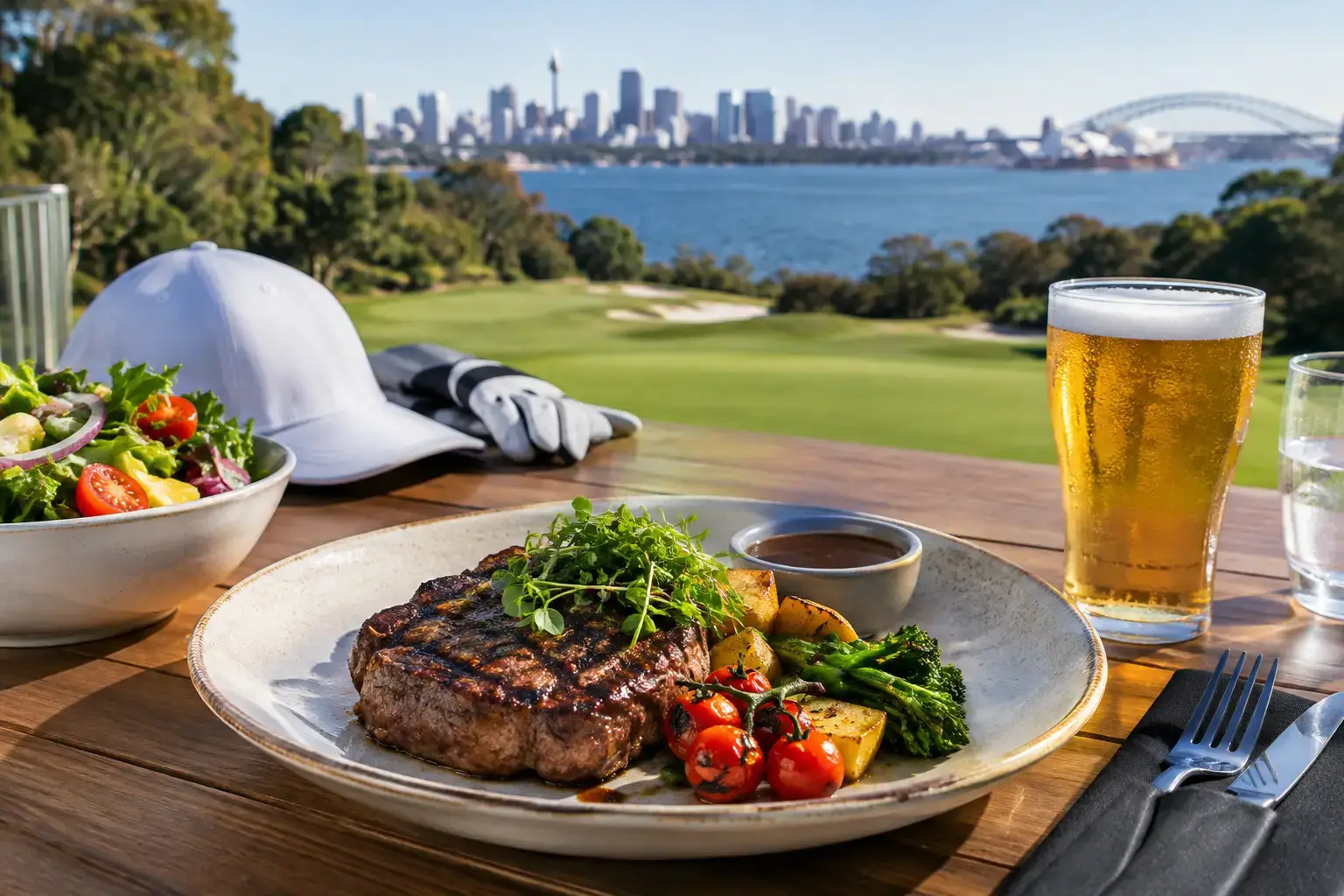
At Northbridge Golf Club, the parkland setting and Middle Harbour outlook make it possible to pair a round with a lunch that feels removed from the city, while remaining close enough for busy Sydney schedules. That convenience is valuable when guests are travelling from different suburbs or fitting the day around work and family commitments.
Ask the venue about wet-weather arrangements, accessibility, parking and whether the space is exclusive to your group. If you are bringing decorations, signage, prizes or a birthday cake, confirm what can be set up and when. Small questions asked early prevent last-minute compromises.
Give the lunch a simple running order
A well-run golf lunch does not need a packed agenda. In fact, too much structure can cut across the relaxed feeling people expect after a round. Still, a light plan keeps the occasion moving.
For a social group, guests can arrive, have a drink, sit for lunch and enjoy a brief announcement for nearest the pin, longest drive or the day’s winning team. For a corporate group, allow a short welcome before food, then save any presentation for after the main course. People are more attentive once they have eaten and had a chance to settle.
If prizes are involved, make them meaningful but low-fuss. A pro shop voucher, a bottle of wine or a future round can be enough. The aim is a shared laugh and a reason to applaud, not a lengthy awards ceremony.
Send guests the details they actually need
A clear message a week or two before the event will save you a stream of texts on the morning. Include the arrival time, tee time or lunch time, dress expectations, parking information, any equipment needed and a contact person for the day. If non-golfers are joining for lunch, state that clearly so they do not feel like an afterthought.
For larger groups, ask guests to arrive at least 30 minutes before their tee time. That allows time for check-in, coffee, a quick briefing and any last-minute gear purchases. It also helps the first tee run on time, which protects lunch for everyone later in the day.
Plan for the things you cannot control
Weather, slow play and a late arrival are part of golf. The best organisers do not panic over them because they have allowed for flexibility. Keep the lunch format adaptable, confirm the wet-weather plan with the venue and avoid an overly tight schedule if guests need to leave by a certain time.
If rain stops play, the lunch can still be a success. A putting activity indoors or under cover, a casual prize draw, a golf-themed quiz or simply more time for conversation can keep the group together. The goal is not to force a perfect sporting schedule. It is to create a genuinely enjoyable shared occasion.
The most memorable golf lunches feel considered rather than overproduced. Leave room for the unexpected birdie story, the long conversation over dessert and the guest who comes for lunch only but leaves planning their first round.