
Golf handicaps are an essential part of the game, designed to level the playing field for golfers of varying skill levels. Whether you’re a seasoned player or a beginner, understanding how golf handicaps work can enhance your experience on the golf course. This comprehensive guide will explain how golf handicaps work, including their calculation, the system behind them, and how beginners can obtain one.
What is a Golf Handicap and How is it Calculated?
A golf handicap is a numerical rating that reflects a golfer’s playing ability. It allows players with different skill levels to compete fairly against each other. Essentially, a golfer with a higher handicap will receive more strokes than a golfer with a lower handicap, making the competition more equitable. The lower a player’s handicap, the better they are considered to be. A scratch golfer has a handicap of zero, meaning they can play at par on a rated golf course. In contrast, a golfer with a high handicap may require several strokes to reach the same level of play, thus levelling the playing field across various skill levels.
Calculating a golf handicap involves a formula that considers a golfer’s scores over a set of rounds. The golf handicap is calculated using the best scores from a golfer’s recent rounds of golf. The formula takes into account the course rating and slope rating of the golf course played. The golfer’s score is adjusted based on these factors to determine the handicap differential. This differential is then used to calculate the golfer’s handicap index, which is a standardised measure of their skill level across different courses. Typically, a golf handicap calculator is used to facilitate this calculation, ensuring that the process is accurate and straightforward.
Several factors influence how a golf handicap is calculated. The primary factors include the scores achieved during rounds of golf, the difficulty ratings of the courses played, and the player’s scoring patterns. The number of rounds played also plays a crucial role; more rounds provide a better representation of a golfer’s ability. Additionally, environmental conditions, such as weather and course conditions, can affect performance and, consequently, the handicap. Golf associations, such as Golf Australia, have specific guidelines that help determine how handicaps are calculated, ensuring consistency and fairness across the board.
How Does the Golf Handicap System Work?
The World Handicap System (WHS) is an international standard that consolidates various handicap systems into a unified approach. This system was designed to make the game more accessible and fair by allowing golfers from different countries to compete on an equal footing. The WHS uses a golfer’s best 8 scores from their last 20 rounds to calculate their handicap index, which can then be adjusted according to the difficulty of the course being played. This global standard aims to simplify the process of calculating golf handicaps and facilitate easier competition across borders.
How to Use a Golf Handicap Calculator?
A golf handicap calculator is a valuable tool that simplifies the process of calculating a golfer’s handicap. By inputting relevant data such as recent scores, course ratings, and slope ratings, the calculator can quickly generate an accurate handicap index. Golfers can find various online calculators that help them calculate their handicap efficiently. Understanding how to use this tool is crucial, especially for those new to the game, as it provides immediate feedback and aids in tracking progress over time.
Understanding the Handicap Index and Course Rating
The handicap index is a crucial element of the golf handicap system, representing a golfer’s potential ability based on their performance. It is essential to understand how this index relates to the course rating, which reflects the difficulty level of a particular golf course. The course rating indicates the expected score for a scratch golfer, while the slope rating measures the difficulty of the course for a bogey golfer compared to a scratch golfer. Together, these ratings help determine how many handicap strokes a player will receive when playing on different courses, ensuring a fair competition regardless of the venue.

How to Calculate Your Handicap in Golf?
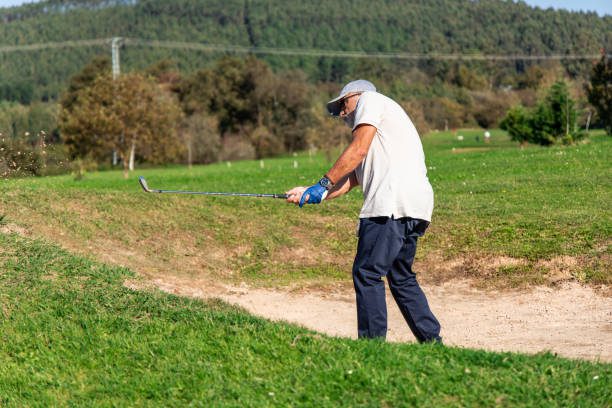
To calculate your golf handicap, you can follow a simple step-by-step process. First, gather your scorecards from recent rounds of golf, ideally a minimum of 20 rounds. Next, determine the course ratings and slope ratings for each course you played. For each score, calculate the adjusted gross score by subtracting any applicable adjustments, such as the maximum number of strokes allowed per round. Then, calculate the handicap differential for each round by taking the adjusted gross score, subtracting the course rating, and multiplying by 113, then dividing by the slope rating. Finally, average your best 8 handicap differentials from your 20 rounds to arrive at your golf handicap index. This process may seem intricate, but using a golf handicap calculator can streamline the calculations significantly.
Determining your course handicap is straightforward once you have your golf handicap index. The course handicap is calculated by taking your handicap index and multiplying it by the slope rating of the course you are playing, then dividing this by 113. This calculation helps you understand how many strokes you will receive while playing on that specific course. For example, if your handicap index is 12 and the course has a slope rating of 130, your course handicap would be approximately 14. This means you would receive 14 strokes during your round, allowing you to compete fairly against other golfers.
The slope rating is an integral part of the handicap system, as it measures the difficulty of a golf course for a player with a handicap. It helps in determining how many strokes a player will receive based on their skill level and the course’s difficulty. A higher slope rating indicates a more challenging course, which means that players may receive additional strokes compared to a course with a lower slope rating. Understanding how to incorporate the slope rating into your calculations is essential for an accurate representation of your skills when competing on various golf courses.
What is a Daily Handicap and When is it Used?
A daily handicap is a temporary adjustment to a golfer’s regular handicap, typically used for a specific round of golf. This type of handicap accounts for the unique conditions of the day, including the course conditions and weather. Unlike a regular handicap, which is calculated based on a golfer’s overall performance, a daily handicap provides a more immediate and situational adjustment, allowing golfers to compete fairly even if they are playing under less-than-ideal conditions. This can be particularly useful for club tournaments or casual rounds with friends.
Using a daily handicap is appropriate when playing in events that require adjustments based on current playing conditions. For instance, if the golf course is playing longer due to wet conditions or if strong winds are affecting play, the daily handicap can help ensure that all players are on an equal footing. Golfers may also choose to use a daily handicap in informal rounds to account for personal performance fluctuations. Understanding when and how to use a daily handicap allows for a more enjoyable experience on the golf course.
Calculating your daily handicap for different courses involves a similar process to calculating your regular handicap, but with added factors. To determine your daily handicap, you would first assess your current handicap index, then consider the specific course rating and slope rating for the course you will be playing. After identifying these ratings, you can apply the same formula used for course handicaps, adjusting your calculations based on the unique conditions of the day. This ensures that your daily handicap accurately reflects not only your skill level but also the challenges presented by the course.
Discover why golfers have been returning to our harbour-side course for nearly 90 years.
Become a MemberHow Can Beginners Get a Golf Handicap?
For beginners, understanding golf handicaps can seem daunting, but it is essential for enhancing their golfing experience. Golfers don’t need a handicap to play casually; however, obtaining a handicap can provide a structured way to track progress and improve skills over time. Beginners should familiarise themselves with how a handicap is calculated and the significance of both the handicap index and course ratings. This knowledge will not only aid in personal improvement but also enhance their enjoyment and competitiveness on the course.
To get a handicap, beginners typically need to join a golf club affiliated with a recognised golf association. Once a member, they can start playing rounds of golf and recording their scores. Most clubs provide a framework for submitting scorecards to maintain an official record of the golfer’s performance. After completing a requisite number of rounds, the club will provide the golfer with their initial handicap, allowing them to participate in club events and competitions. This process encourages beginners to play regularly and improve their skills, ultimately leading to a more enjoyable golfing experience.
Tracking progress as a beginner golfer is essential for development and motivation. Golfers can keep a detailed scorecard for each round, noting not only their final scores but also specific performance metrics such as fairways hit, greens in regulation, and putts taken. Many golfers find it helpful to use a golf handicap calculator to see how their scores are improving over time. By regularly updating their handicap, beginners can assess their growth and set realistic goals for improvement in their game. Joining a golf community or finding a mentor can also provide valuable feedback and support as they navigate the learning curve of golf.
Conclusion
Golf handicaps help make the game fair for everyone. They let players of different skill levels compete equally. By using a handicap, you can track your progress and see how you improve over time. So, get a handicap and enjoy playing golf with friends, no matter your skill level.
Frequently Asked Questions
A golf handicap is calculated using a formula that takes into account the golfer’s scores, the course rating, and the slope rating of the course played. This ensures that the handicap reflects the golfer’s ability on different courses.
A course handicap adjusts a golfer’s handicap index to the specific difficulty of a course. It is determined based on the slope rating and the tee being played, ensuring fair competition among golfers of varying abilities.
The World Handicap System simplifies the process of calculating a golfer’s handicap by standardising the calculation methods across different countries. It considers the best scores from a set number of rounds and adjusts them based on the difficulty of the courses played.
A golf handicap index is a measure of a golfer’s potential ability, calculated using the best scores from their most recent rounds. It serves as a universal reference for golfers to compare their abilities across different courses and competitions.
To calculate your golf handicap, you need to take your adjusted gross score, subtract the course rating, and then multiply by 113 (the standard slope rating) divided by the slope rating of the course played. You can also use a handicap calculator to help with this process.
Yes, new golfers can establish a handicap by playing a set number of rounds (typically at least 20) and submitting their scores. The official handicap will be calculated based on these scores, allowing new golfers to compete fairly.
A lower handicap indicates a better golfer, as it reflects fewer strokes needed to complete a round compared to a scratch golfer. It suggests that the golfer has a higher skill level and can potentially improve their game.
The difficulty of a course influences how your handicap is calculated. A more challenging course will result in a higher course handicap, while an easier course may yield a lower one. This ensures that golfers are fairly matched based on the difficulty of the courses they play.