A great private dining review should tell you more than whether the food photographed well. For a birthday lunch, client dinner, engagement celebration or team get-together, the room needs to feel right from the moment guests arrive – comfortable, considered and genuinely separate from the bustle beyond its doors.
On Sydney’s North Shore, private dining is often chosen for a simple reason: people want the ease of meeting close to home or the CBD without settling for a generic function room. The best occasions feel personal, yet they should not require the host to manage every small detail. That balance is what separates a pleasant meal from a gathering people talk about on the way home.
What a Private Dining Review Should Really Assess
When assessing a private dining experience, start with the atmosphere rather than the table setting alone. A room can be beautifully dressed and still feel flat if it is too echoey for conversation, too dim for older guests to read the menu, or positioned where every passing diner can see straight in. Privacy does not always mean being completely closed off. It means having enough separation to let your group relax, speak freely and enjoy its own rhythm.
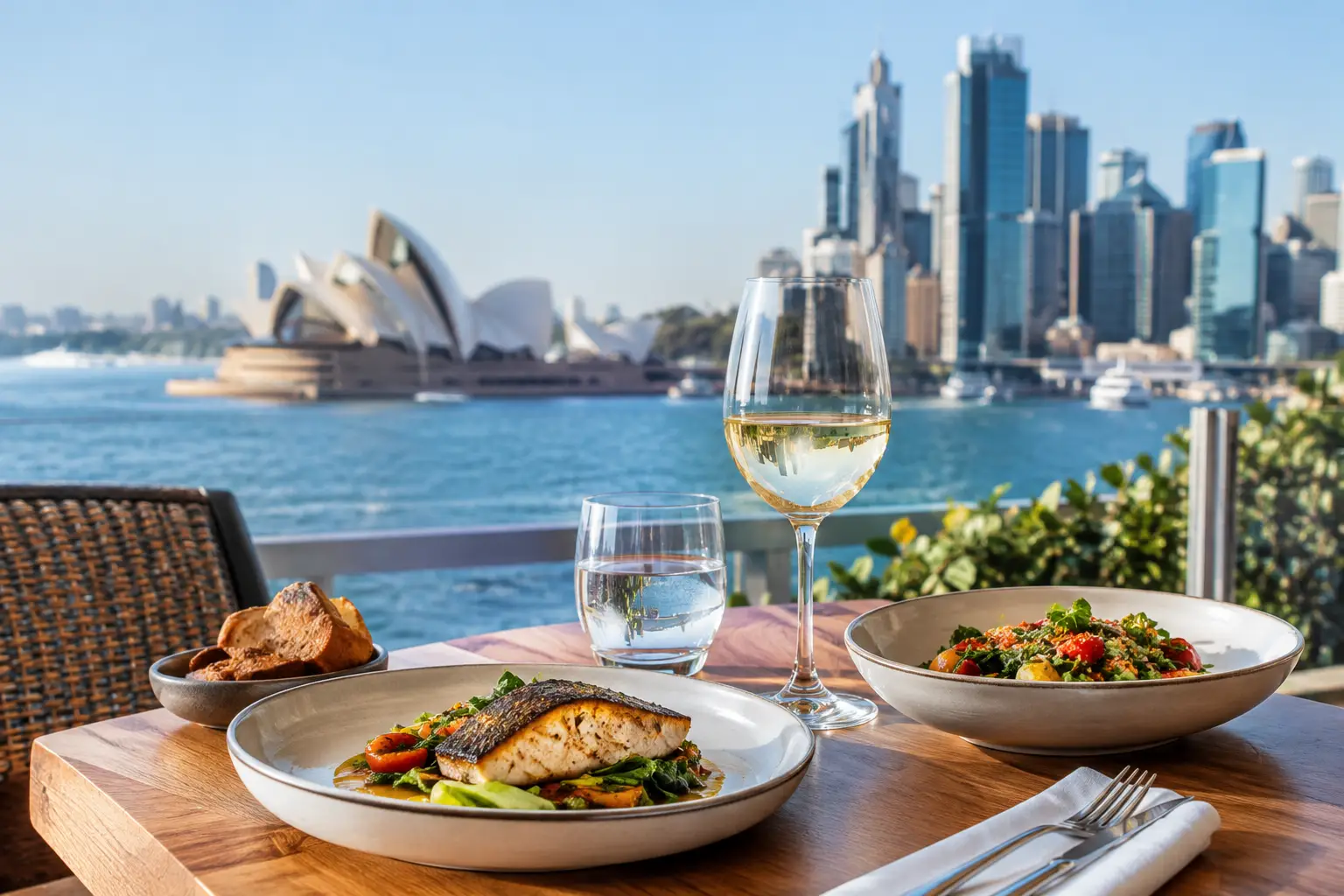
A scenic outlook can make a real difference, particularly for daytime celebrations and early evening drinks. Natural light, greenery and an open view give guests something to enjoy between courses, while making the arrival feel more like an occasion. At the same time, the setting should support the purpose of the event. A corporate group may value easy access to a screen or space for a brief address; a family celebration may care more about room for prams, a cake presentation and unhurried conversation.
Location matters, too. Sydney guests will often make a judgement before they enter the room based on parking, transport, signage and the walk from car to venue. A beautiful private space loses some of its appeal if guests arrive flustered after circling for a parking spot or cannot work out where to go. The most welcoming venues make the practical parts feel straightforward.
Service should be present, not performative
Private dining service is a quiet skill. Guests should have water topped up, dietary requirements handled confidently and courses brought out at a sensible pace, without feeling watched or rushed. For a host, this is one of the biggest markers of value: can you spend time with your guests, or are you constantly trying to catch someone’s eye?
Good staff read the room. They know when a table is deep in conversation, when a speech is about to begin and when a longer pause between mains and dessert would help the evening. They also communicate clearly before the event, confirming numbers, menu choices, access needs and timings without burying the organiser in unnecessary emails.
That said, the level of formality should suit the group. A milestone dinner may call for polished table service and a more structured schedule. A team lunch or casual family gathering may be better with a relaxed shared menu and a little more flexibility. There is no single ideal style, only a style that matches the people at the table.
Food and Drink: The Test Beyond the Menu
An appealing menu is only the starting point. In private dining, food needs to be generous enough for the occasion, easy to share where relevant and reliably timed for the size of the group. A dish that works beautifully for two can be difficult to serve across a larger table if it arrives lukewarm, requires complicated plating or excludes several guests.
The strongest offerings make room for different preferences without making anyone feel like an afterthought. Vegetarian, vegan, gluten-free and other dietary options should feel like proper dishes, not a last-minute substitute. Hosts should also be able to understand the menu format early: whether it is a set menu, shared feast, alternate drop or selected courses, and what can be adjusted.
Drinks deserve the same thought. A considered wine list, local beers, non-alcoholic options and a welcome drink can set the tone before the first course arrives. For daytime events, tea and coffee after dessert may matter more than another round of cocktails. For evening celebrations, guests may appreciate a simple package that makes the final bill easier to anticipate. Clarity here is more valuable than a long list of choices.
Value is about confidence, not the lowest price
Private dining costs more than booking a standard table because it includes exclusivity, planning and dedicated attention. The question is whether the inclusions feel clear and worthwhile. A trustworthy proposal outlines the minimum spend or room hire, food and beverage requirements, deposit, cancellation terms, service charges if applicable, and any extras such as styling, screens or cake service.
Be wary of comparing venues on a headline price alone. One option may look cheaper until drinks, dietary upgrades, room hire or equipment are added. Another may include more, but require a larger minimum spend that makes sense only if your guest list is firm. The right choice depends on numbers, timing and how much certainty you want before invitations go out.
A helpful venue will talk through these trade-offs rather than pushing a package that does not fit. If your group is likely to change in size, ask about the final confirmation date. If there are children, older relatives or guests travelling from different parts of Sydney, ask about accessibility and arrival arrangements. These details are not glamorous, but they protect the mood of the day.
The Details Guests Notice Without Mentioning
Guests rarely praise the acoustics directly, yet they will remember whether they could hear each other. They may not comment on the bathrooms, but they notice when they are clean, close by and easy to find. They will not necessarily ask about the room temperature, though a stuffy summer lunch or chilly winter dinner can affect everyone’s comfort.
For that reason, a proper inspection is worthwhile for significant events. Stand in the room at roughly the time of your booking if possible. Check where guests will arrive, how the tables will be arranged and whether there is a private spot for gifts, a cake or a short speech. Ask what else is happening at the venue that day, especially if you are planning a quieter occasion.
If golf, parkland or harbour-side views are part of the setting, consider how your guests can enjoy them. A short arrival drink outdoors, weather permitting, can give the event a relaxed beginning before everyone sits down. At Northbridge Golf Club, the heritage park setting and Middle Harbour outlook give private occasions a sense of escape while remaining close to the city – a useful advantage for groups bringing guests from across Sydney.
Planning a Private Dining Occasion With Less Stress
The easiest private events begin with a clear brief. Know the purpose of the gathering, your likely guest count, preferred date, budget range and the feeling you want to create. “A relaxed long lunch for 24 with a few dietary needs” is far more useful to a venue than simply asking for a quote.
From there, keep the guest experience in focus. An early arrival time may work best for a business lunch, while a birthday dinner might benefit from drinks first and a later meal. If speeches are involved, nominate one person to coordinate them and let the venue know when they are likely to happen. If you are bringing decorations, flowers or a cake, confirm delivery and set-up arrangements well ahead of time.
You do not need to control every moment. In fact, the best private dining occasions usually leave room for guests to linger. Give the venue a good brief, choose food and drinks that suit the group, and select a setting where people can settle in. When those foundations are in place, the host gets to enjoy the table as much as everyone else.