You usually know within minutes when a venue is wrong. The parking is awkward, the room feels flat, the food package is vague, or the beautiful photos somehow do not match the real experience. A smart private events venue comparison helps you spot those issues early, before you commit budget, time and reputation to the wrong place.
For Sydney hosts, that matters more than ever. Whether you are planning a birthday, engagement, corporate lunch, family celebration or end-of-year function, the venue shapes the entire event. It affects who can attend, how relaxed people feel, how long they stay, and whether the day feels effortless or hard work.
How to approach a private events venue comparison
The easiest mistake is comparing venues by price alone. A lower hire fee can look appealing until you factor in minimum spends, staffing, styling, AV, transport hassles or a menu that needs too many upgrades. Real value is about the full experience, not the first number on the quote.
Start by being clear on the kind of event you are hosting. A 30-person birthday lunch has very different needs from a 120-person cocktail function or a boardroom-style corporate gathering. Guest count, timing, atmosphere and practical requirements should guide every comparison. Once those basics are set, you can assess venues on equal footing.
It also helps to think about what your guests will remember. They are unlikely to recall whether the chair covers were included, but they will remember if the room felt welcoming, the views were memorable, the service was polished and getting there was straightforward.
Location matters more than you think
In any private events venue comparison, location should sit near the top of the list. A stunning venue loses points quickly if guests need to allow extra time, battle difficult traffic or struggle to find parking. Convenience affects attendance, punctuality and mood.
For Sydney events, a well-positioned venue close to major business districts or established residential areas offers a real advantage. It gives city-based professionals an easy trip, while still feeling like a destination. That balance can be hard to find. Some venues are central but feel cramped or generic. Others are scenic but too far out for a midweek function or family gathering with mixed age groups.
The sweet spot is accessibility with atmosphere. If a venue feels removed from the rush without being remote, that is worth noting. Guests get the sense of an occasion, not just another booking in another room.
Ask what the journey feels like
This is not just about kilometres on a map. Ask how guests will actually arrive, where they will park, whether rideshare access is easy, and how simple the site is to navigate once they get there. A venue can look ideal online and still create friction on the day.
Compare the space, not just the capacity
Capacity figures can be misleading. One venue might advertise space for 150, but that does not tell you whether 150 people will be comfortable, whether there is room for speeches, or whether the layout will feel lively rather than crowded.
Look closely at how each space works for your format. Seated events need flow between tables, service areas and any presentation point. Cocktail functions need natural movement, enough furniture for older guests and sensible placement of food and drinks. Private dining needs warmth and intimacy, not just a partitioned corner.
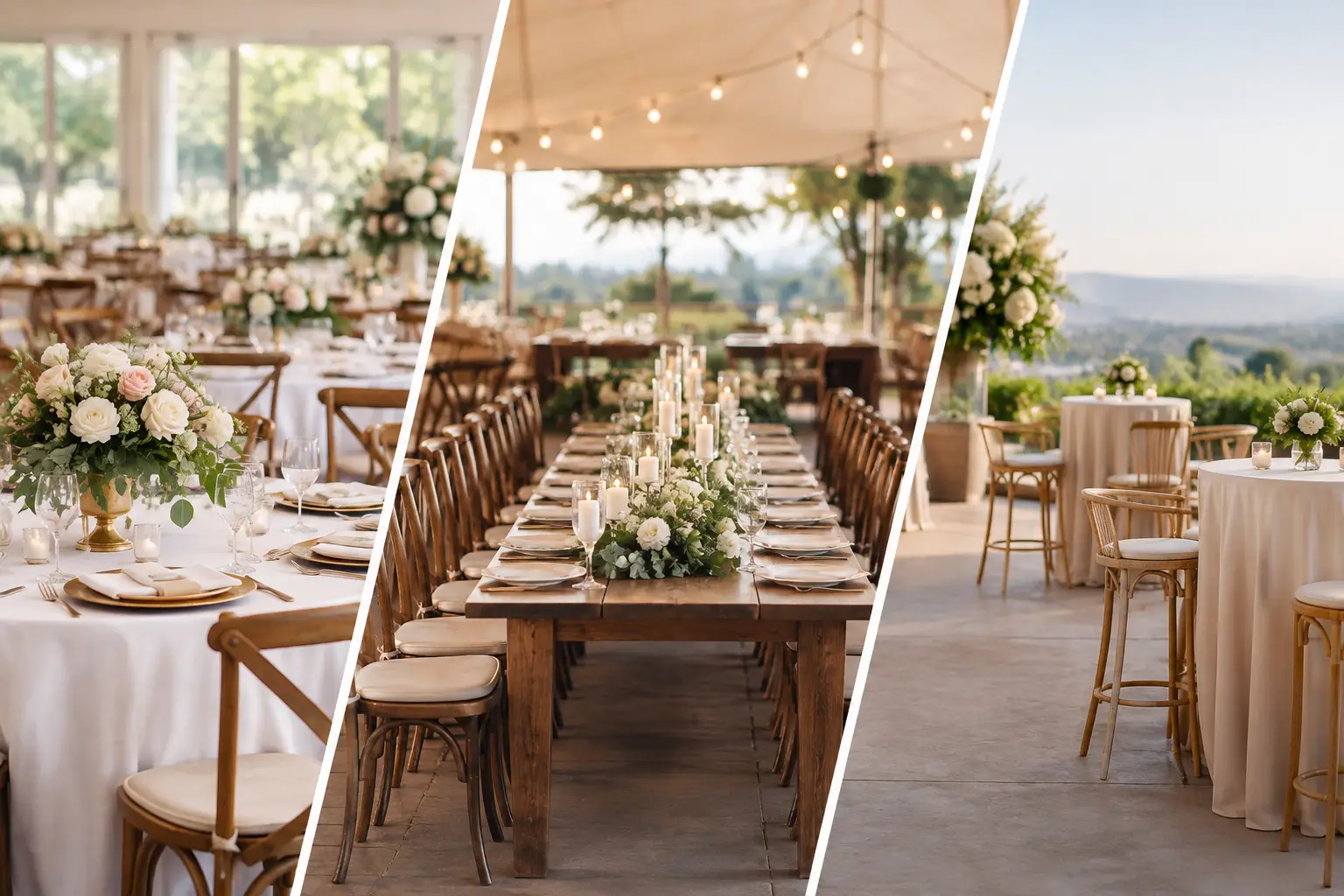
Natural light, outlook and room shape also play a bigger role than many hosts expect. A well-proportioned room with views and easy access to outdoor areas can make a modest guest list feel special. By contrast, an oversized ballroom can leave a small celebration feeling lost.
This is where scenic venues often stand apart. A green outlook, heritage surroundings or water views add atmosphere before styling begins. They can reduce the need for extra decoration and give the event a sense of place that standard function rooms struggle to match.
Service can make or break the event
A venue is only as good as the team behind it. In a private events venue comparison, service deserves just as much attention as interiors and menus.
Pay attention to the enquiry stage. Are responses prompt, clear and tailored, or do you feel like you are being pushed through a standard package? Good event teams listen first. They explain what is possible, flag any limitations early and make the planning process feel calm.
On the day itself, polished service is often invisible in the best way. Drinks are refreshed before guests ask. Dietary requirements are handled confidently. The room turns over smoothly between speeches, dining and mingling. Hosts are free to enjoy the event instead of managing suppliers and solving problems.
If you are planning a corporate event, this point becomes even more important. Your venue reflects on your business. Professional service, reliable timing and clean presentation all contribute to how your brand is perceived.
What to ask before you book
It is worth asking who will manage your event, whether you will have one point of contact, how bump-in and pack-down work, and what staffing is included. These details sound minor until they are not.
Food and beverage should fit the occasion
Menus are often compared too broadly. It is not enough to ask whether one venue offers canapes and another offers a set menu. The better question is whether the food and beverage style suits your event.
A long lunch calls for a different pace and menu structure than an after-work cocktail event. Family celebrations may need flexibility for children and older relatives. Corporate groups might need quick service, easy dietary accommodation and a bar package that feels generous without being excessive.
Quality matters, of course, but so does fit. A menu can be excellent and still feel wrong for the room or the guest mix. Look for venues that can tailor options with confidence rather than treating custom requests as a burden.
Package transparency also matters. Clarify what is included, what counts as an upgrade, whether cakeage applies, and how beverage service is timed. A slightly higher package can represent better value if it avoids surprise costs later.
Atmosphere is where value becomes memorable
Some venues are efficient, but forgettable. Others immediately feel like somewhere people want to linger. That difference is hard to capture in a brochure, but it is often what guests talk about afterwards.
Atmosphere comes from a mix of setting, service, acoustics, lighting and flow. It also comes from whether a venue feels genuinely welcoming. For many hosts, especially on the North Shore and across greater Sydney, that balance of quality and ease is the real goal. You want a place that feels special, but not stiff.
This is where club and hospitality venues can offer a distinct advantage over more impersonal event spaces. When the venue already has a social rhythm, established dining service and a relaxed sense of community, private events tend to feel more natural. At Northbridge Golf Club, for example, the appeal is not just the room itself. It is the broader setting – a scenic, accessible destination with polished hospitality and a social atmosphere that suits both celebrations and corporate occasions.
Comparing cost without missing the bigger picture
Budget matters, but cost should be compared in context. A venue with a lower base price may require external furniture, AV hire, extra styling or transport support for guests. Another venue may include more, reducing both admin and risk.
It is smart to compare total likely spend across the shortlist. Include venue hire, food and beverage minimums, staffing, equipment, styling needs and any likely overtime charges. Then weigh that against the overall guest experience.
There are times when paying a little more is justified. If the location is easier, the views are stronger, the planning support is better and the event needs fewer add-ons, the final value may be higher. That is especially true for milestone occasions where the day only happens once.
The shortlist test
Once you narrow your options, visit in person if you can. Walk the entry, stand in the event space, look at the outlook, and imagine your guests moving through the venue. Photos are useful, but they do not show how a room sounds, how staff greet people or how the place feels at the time of day you plan to host.
Trust practical instincts as much as visual ones. If communication has been slow, if package details remain fuzzy, or if the space already feels compromised, those concerns rarely disappear after booking. By contrast, when a venue is well run, well located and genuinely enjoyable to spend time in, the decision usually becomes much simpler.
The best private events venue comparison is not about finding a perfect venue on paper. It is about finding the place that fits your guests, your goals and the kind of experience you want people to carry home with them.