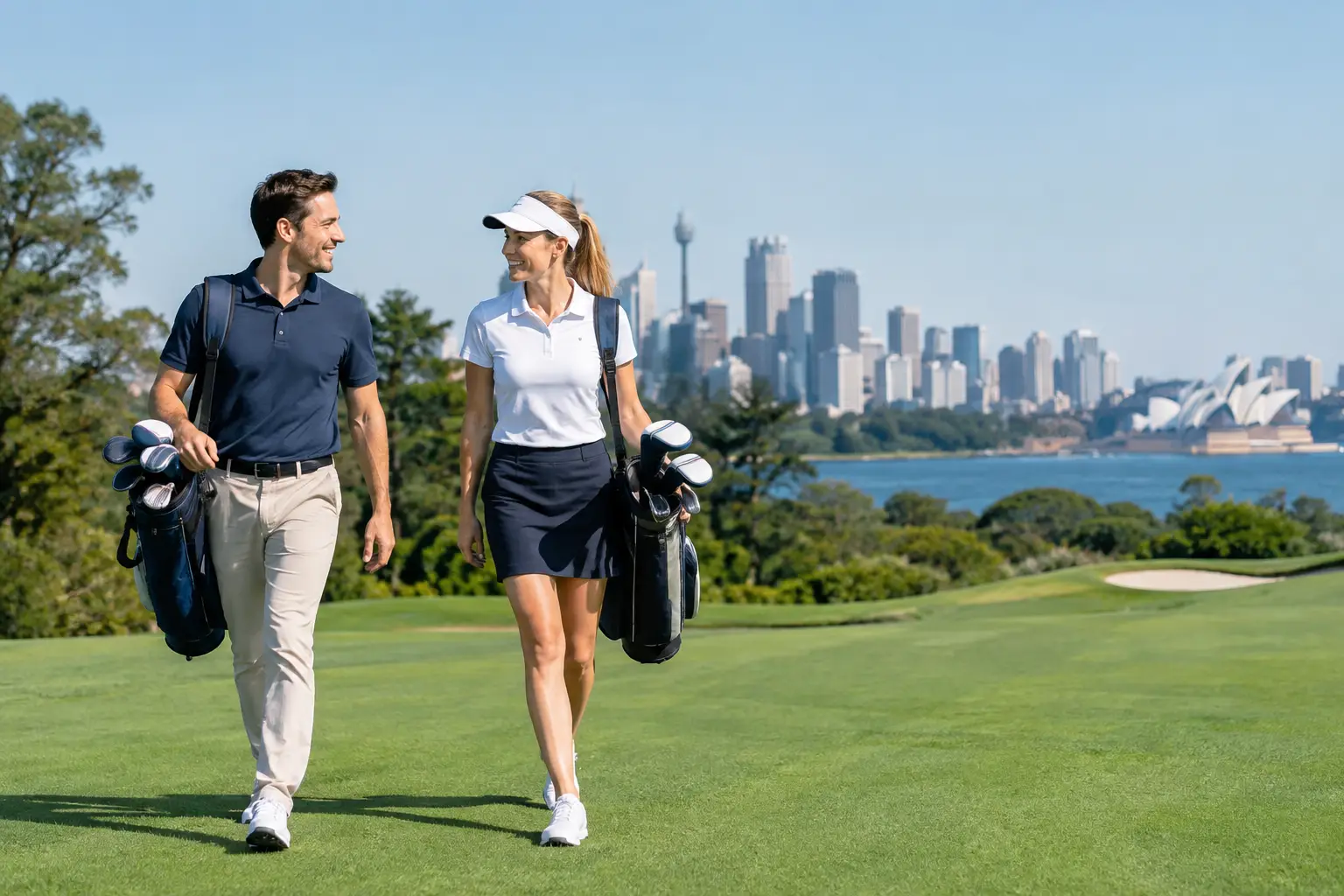
Your first round should feel like a good day outdoors, not a test of whether you have remembered every gadget in the pro shop. A well-chosen beginner golf equipment checklist keeps things simple: bring the essentials, wear something comfortable, and leave plenty of room to enjoy the walk, the views and the company.
For new golfers around Sydney, the temptation is often to buy a full professional-looking setup before hitting a ball. There is no need. The right starter kit is practical, forgiving and suited to the way you will actually play while learning.
Beginner golf equipment checklist: what you genuinely need
A beginner does not need 14 clubs, a tour bag and every training aid on the shelf. Start with a reliable bag, a small selection of forgiving clubs, golf balls, tees, a glove, suitable shoes and weather-ready clothing. A drink bottle, sunscreen and a few snacks are also wise additions for a Sydney round.
If you are borrowing clubs or hiring a set for your first few games, that is completely reasonable. It gives you time to work out what feels comfortable before making a bigger purchase. Lessons can help here too, particularly when it comes to club length, grip size and the kinds of shots you are likely to play most often.
A forgiving set of clubs
Golf allows up to 14 clubs in the bag, but beginners can learn plenty with seven to 10. A practical starting setup might include a driver or fairway wood, a hybrid, a few irons such as 6, 8 and pitching wedge, a sand wedge and a putter.
Hybrids are particularly helpful for new players. They are generally easier to launch than long irons and can be useful from the tee, fairway or light rough. For many beginners, a 4 or 5 hybrid will be more useful than trying to master a 3 or 4 iron straight away.
When shopping, look for cavity-back irons and clubs labelled game improvement or super game improvement. These designs place more weight around the perimeter of the clubhead, making off-centre strikes less punishing. They will not turn a missed shot into a perfect one, but they can make golf far more enjoyable while you build a consistent swing.
A package set is often a sensible option because it covers the key clubs at a more approachable price. The trade-off is that you may outgrow one or two clubs as your game develops. That is fine. You can replace individual clubs later rather than buying everything twice at the start.
A putter that feels natural
Putting is a major part of every round, so do not treat the putter as an afterthought. Choose one that sits comfortably behind the ball and feels stable in your hands. Blade putters have a traditional, slimmer shape, while mallet putters are larger and often offer more alignment assistance and forgiveness.
There is no universal best choice. Roll a few balls on a practice green if you can. The putter that helps you aim confidently and make a smooth stroke is the right one to begin with.
Golf balls you will not mind losing
New golfers lose balls. It happens in trees, long grass, water and occasionally in places that seem impossible to explain. Buy durable, affordable balls in a bright colour you can spot easily, rather than premium tour models designed for players with faster swing speeds and finely tuned control.
Two-piece distance balls are a good starting point. They tend to be firm, hard-wearing and straightforward to play. Bring at least six to 12 balls for a full 18 holes, depending on your confidence and the course. Mark each ball with a small dot or initial so you can identify it easily when playing with others.
Tees, marker and ball repair tool
These small items make a noticeable difference to the flow of a round. Carry a handful of wooden or plastic tees in different lengths, with longer tees generally suited to driver shots and shorter tees handy for irons or par-3 holes.
You will also need a ball marker for the green. A coin works perfectly well. A ball repair tool is good etiquette too. If your ball leaves a pitch mark on the putting surface, repair it promptly and carefully. Looking after the course is part of looking after the experience for everyone playing behind you.
The bag and accessories that make a round easier
Your golf bag does not need to be expensive, but it should be comfortable to carry or easy to place on a buggy. A lightweight stand bag is a strong choice for walkers because its legs keep clubs off damp ground. A cart bag offers more pockets and storage, though it is best suited to players using a buggy.
Keep the bag organised. Put tees, balls, marker and repair tool in the same pocket each time. Store valuables in a zipped compartment. Bring a towel to clean mud from clubs and wipe your hands, especially after a humid or wet day.
A simple starter bag should include:
- Six to 12 golf balls, a few tees, a marker and a repair tool
- A glove, towel, sunscreen and insect repellent when needed
- A filled water bottle and a light snack for the turn or between holes
- A rain jacket or compact umbrella when the forecast is uncertain
Do not overload the bag with balls, gadgets and spare clothing. Golf is more enjoyable when you are not hauling unnecessary weight around the course.
One glove is usually enough
Most right-handed golfers wear a glove on their left hand, while left-handed golfers wear one on their right. The glove improves grip and can help prevent blisters when you are practising regularly.
Fit matters. It should feel snug across the palm and fingers, without loose material at the fingertips. Synthetic gloves are often durable and good value, while leather gloves usually feel softer but can wear faster in heat and moisture. Start with one, then add a spare once you know how often you play.
Shoes and clothing for comfort and confidence
Golf clothing has become more relaxed, but comfort, movement and respect for the venue still matter. A collared polo or neat golf shirt with shorts, trousers or a skirt designed for movement is a dependable choice. Layers are useful on the North Shore, where a cool morning can become a warm afternoon and an exposed hole may feel breezier than expected.
Golf shoes provide traction during the swing and are worthwhile if you plan to play often. Spikeless shoes are versatile, comfortable and easy to wear from the car park to the clubhouse. Traditional soft spikes can offer extra grip in wet conditions, but they are less necessary for most casual beginners.
If you do not yet own golf shoes, clean runners with a stable sole can be acceptable for an early casual round, provided course conditions allow it. Avoid thongs, sandals and footwear with very slippery soles. They make it harder to balance and can be uncomfortable over 18 holes.
A hat or cap, sunglasses and sunscreen deserve the same priority as clubs in Australian conditions. Apply sunscreen before you tee off and keep it in your bag for reapplication. Sun protection is not an optional extra when you are outside for several hours.
What not to buy just yet
The golf industry offers plenty of clever equipment, but much of it can wait. Rangefinders, GPS watches, premium wedges, multiple specialty woods and swing-analysis devices can be useful later. They are not essential to learning how to make solid contact, get the ball moving forward and enjoy playing with others.
The same goes for expensive balls. Until your strike and course management become more consistent, affordable balls will serve you well. Spend your early golf budget on practice, a lesson or two, and comfortable gear you will happily use again.
Getting ready for your first round
Pack your bag the night before, check the weather and arrive with a little time to spare. A quick warm-up, a few practice putts and a calm first tee are more valuable than trying to swing perfectly from the opening hole.
At Northbridge Golf Club, beginners can enjoy the game in a scenic setting close to the city, then settle in afterwards for a well-earned meal or drink. Bring the essentials, play at your own pace and remember that every regular golfer once stood over a first tee wondering where the ball might go.