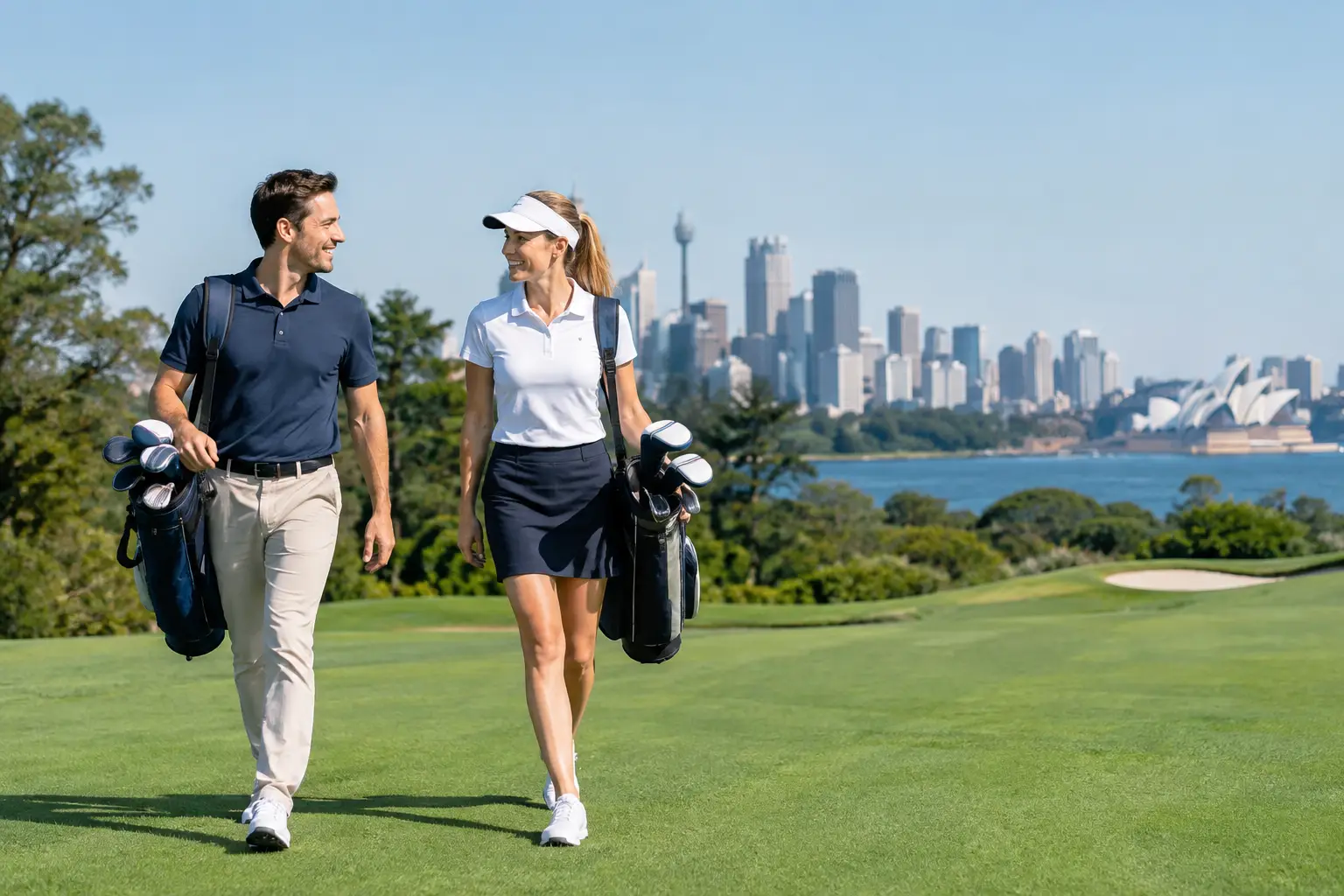
A great golf day is not simply a round followed by lunch. It is the moment a new starter gets to know the team, a client feels genuinely looked after, and regular playing partners enjoy a relaxed day away from the office. This golf function planning guide is designed to help you create that kind of occasion – polished, social and easy for every guest to enjoy.
Whether you are organising a corporate golf day, a charity fundraiser, a client event or a celebration with friends, the best results come from making a few key decisions early. The right course, schedule, format and hospitality plan will make the day feel effortless for guests and manageable for organisers.
Start with the purpose of the day
Before comparing dates, menus or golf formats, be clear about what you want the function to achieve. A team reward may call for a casual format and a lively lunch. A client event may benefit from a smaller field, well-paced play and more time for conversation in the clubhouse. A fundraising day needs room for sponsor visibility, competitions and a clear way to encourage additional giving.
Your purpose shapes the guest list too. If most attendees play regularly, a traditional 18-hole competition can work beautifully. If there are beginners, occasional golfers or clients who have never held a club, a shorter format with coaching or novelty challenges will feel far more welcoming.
The goal is not to make every guest play like a member. It is to give everyone a reason to feel included.
Choose a venue that suits golfers and non-golfers
A convenient location has a major effect on attendance. Sydney guests are more likely to commit when the course is straightforward to reach from the CBD and surrounding suburbs, with practical parking and a clear arrival point. A scenic setting also adds value before anyone tees off. It gives the day a sense of occasion and makes photos, drinks and post-round conversation feel special.
Look beyond the fairways when assessing venues. You need a welcoming clubhouse, comfortable dining spaces, reliable food and beverage service, and a team that understands event timing. If non-golfers are attending, ask what they can enjoy while the field is on course. A long lunch, putting activity, golf clinic or simply a beautiful setting for a catch-up can turn them from observers into part of the event.
At Northbridge Golf Club, the heritage park setting and views towards Middle Harbour offer that rare combination of a genuine golf experience and an easy-to-reach North Shore social destination.
Golf function planning guide: pick the right format
The format should match the confidence level of your guests, not just the preferences of the keenest golfers. A well-chosen competition keeps the group moving and gives everyone a chance to contribute.
A stableford format is a familiar choice for experienced players because one difficult hole will not ruin their day. Ambrose is especially effective for mixed-ability groups, as players work together from the best shot and less confident golfers can relax into the experience. A four-person team event also creates natural conversation, which suits networking days.
For groups with many first-timers, consider a nine-hole event, a golf clinic followed by a putting competition, or a relaxed team scramble. There is no rule saying a successful golf function must involve 18 holes. In fact, shortening the game can leave more time for lunch, presentations and socialising.
Talk through the options with the venue’s events team and golf professionals. They can recommend formats based on your group size, likely playing standard and the amount of time available.
Set a realistic run sheet
Most function-day stress comes from a schedule that looks neat on paper but leaves no allowance for real life. Guests arrive late, teams need finalising, coffee takes longer than expected and a group that has not played together may move more slowly around the course.
Build in time for registration, bag drop, a welcome briefing and a chance to settle in before play begins. For a shotgun start, guests need to be at their allocated holes with enough time to understand the day’s rules. For tee times, make sure each group knows precisely when and where to report.
A typical full-day programme may include morning registration and breakfast, a briefing before play, refreshments on course, then a post-round lunch or dinner with presentations. For a more compact event, an afternoon nine holes followed by sunset drinks and dinner can be just as memorable.
Keep speeches purposeful. A warm welcome, a short thank you to sponsors and volunteers, and a lively prize presentation usually land better than a long formal programme. If you have raffle draws, auctions or fundraising announcements, plan them between courses or after dessert so guests are not distracted while eating.
Make hospitality part of the experience
Food and drink are not an add-on to a golf function. They are a large part of what guests will remember. Start by thinking about the rhythm of the day. A morning tee time might need barista coffee, breakfast rolls or light pastries on arrival. An afternoon start may suit a casual lunch before golf, followed by canapés, a shared meal or a seated dinner afterwards.
On-course refreshments matter, particularly in Sydney’s warmer months. Water should be readily available, and a refreshment point can give guests a welcome lift midway through the round. If alcohol is included, strike the right balance. A celebratory drink is part of the occasion, but guests still need to play safely, respect the course and get home responsibly.
Ask guests about dietary requirements when they RSVP, rather than trying to solve them on the day. It is a small administrative step that makes hospitality feel thoughtful and professional.
Get the guest communication right
Clear communication takes pressure off everyone. Send a save-the-date early, then follow with a practical event email around two weeks before the function. Include the arrival time, dress expectations, parking details, what golf equipment is available or required, the format, and a contact number for last-minute questions.
Avoid assuming people know golf etiquette. A friendly note can explain that smart, comfortable clothing and suitable footwear are expected, that mobile phones should be on silent during play, and that groups should keep up with the pace of play. For newcomers, reassure them that there will be guidance on the day.
Pairing groups deserves more thought than it usually gets. Mix familiar faces with new connections where networking is the aim, but avoid putting every beginner in one group. A confident golfer in each team can keep the atmosphere relaxed and help with scoring without turning the day into a lesson.
Build in competitions that create a buzz
Nearest the pin and longest drive are popular because they add excitement without holding up play. Team prizes reward collaboration, while a novelty prize can keep the tone light for a social group. Just make sure the prize structure reflects your audience. A premium golf prize may suit a committed playing group, while restaurant experiences, gift hampers or team prizes can appeal more broadly.
For charity functions, sponsor a hole, a competition or a hospitality moment. Keep sponsor signage tasteful and useful, rather than filling every available space. The best partnerships feel connected to the guest experience – perhaps a branded nearest-the-pin prize, a sponsored drink station or a contribution to the raffle.
Plan for Sydney conditions
Weather is part of outdoor events, so have a sensible wet-weather plan before invitations go out. Ask the venue how it manages lightning, heavy rain and course closures, and understand what alternatives may be available. Depending on conditions, a shortened round, clinic, putting challenge and extended clubhouse programme may be a better outcome than trying to force a full field through difficult weather.
Heat deserves equal consideration. Choose an earlier start in summer where possible, provide water, encourage hats and sunscreen, and avoid an overly rigid dress code. The day should feel enjoyable, not like an endurance test.
Leave room for the moments you did not script
The best golf functions have structure, but they do not feel overproduced. Give guests time to linger after their round, compare stories from the course and enjoy the setting without being hurried into the next item on the agenda.
When you plan around the people in the room – their confidence on the course, their reason for attending and their need to feel welcomed – the golf takes care of much of the rest. A thoughtfully paced day can start with a tee shot and finish with stronger relationships, good conversation and plans to do it all again.