A child does not need to be able to hit a perfect shot to enjoy golf. They need room to move, something light to swing, an encouraging adult and a reason to come back next time. For parents wondering when should juniors start golf, the reassuring answer is that there is no single perfect age – but there is a right way to begin.
Golf can introduce children to fresh air, movement, patience and friendship, all while giving families another reason to spend time together. The goal in the early years is not to build a tournament player. It is to help a young person feel comfortable around the game, the course and the people who play it.
When should juniors start golf?
Many children can begin enjoying golf activities from around three to five years old. At this age, the focus should be on simple games: rolling a ball towards a target, making a short putt, swinging a lightweight club and learning to take turns. A formal lesson may suit some children, but others will get more out of 20 relaxed minutes on a practice green with a parent or coach.
From around five to seven, many juniors are ready for more structured group sessions. They can usually follow simple instructions, understand basic safety rules and enjoy games that build coordination. This is often an ideal age to introduce putting, chipping and small swings without overloading them with technical advice.
By eight to 10, a child who is interested and comfortable can often start playing short sections of a course. That might mean a few holes from a suitable tee, a family-friendly format or a modified game where everyone starts closer to the green. The best starting age depends less on a birthday and more on attention span, enthusiasm and confidence around other golfers.
Look for readiness, not a number
A junior is likely ready to start golf when they can listen briefly, take turns and understand that clubs should only be swung when the space around them is clear. They do not need exceptional coordination. Golf is one of the few sports where a child can improve at their own pace, without needing to keep up with a fast-moving game.
Interest matters just as much as ability. A child who asks to have another go after missing the ball is ready for more exposure to golf. A child who would rather climb a tree, kick a footy or head home after five minutes may simply need to wait. Pushing too hard can turn a potentially lifelong pastime into another weekend obligation.
Parents should also consider the setting. A busy Saturday morning tee sheet, a long round in warm weather and a group of impatient adults can make golf feel daunting for a beginner. A quiet practice session, a junior clinic or a shorter late-afternoon outing usually provides a much better first experience.
Early starts have benefits, but only if they stay fun
Starting young can help children develop balance, hand-eye coordination and familiarity with the rhythms of the game. They learn that a good shot is not the only point of playing, and that golf includes walking, chatting, noticing the landscape and respecting the people around you.
There is a trade-off, though. Very young children can tire quickly, lose focus or become frustrated when the ball does not do what they expect. That is completely normal. End the session while they are still enjoying themselves, even if it means stopping after 15 minutes. Leaving them wanting one more putt is far more valuable than insisting they finish a bucket of balls.
Begin with the parts of golf children enjoy most
Putting is often the best introduction. It is easy to understand, does not require a big swing and gives children quick feedback. Set up a few playful challenges: can they roll the ball through a gate, stop it near a marker or make two putts in a row? Small wins build confidence.
Chipping can come next, followed by short swings with a club that fits. Avoid the temptation to hand down a full-sized adult club. Equipment that is too heavy or too long makes the game harder and can encourage awkward movement. A junior club, a light plastic option for early play or a properly fitted set is a better investment in enjoyment.
It also helps to use the right language. Rather than telling a child to keep their head down or fix every part of their swing, try one clear cue at a time: “finish facing the target” or “make a smooth swing”. Praise effort, good manners and resilience as often as you praise a well-struck shot.
Make safety and etiquette part of the fun
Golf has simple rules that children can learn early. Stand back when someone is swinging. Never walk ahead of a player hitting a shot. Keep an eye on where balls are travelling. Replace divots when appropriate, look after the green and keep up with the group.
These are not just formalities. They help juniors feel that they belong on a course and can play respectfully alongside people of different ages and abilities. Present etiquette as being considerate of others, rather than a list of things they might get wrong.
A parent’s behaviour sets the tone here. If an adult gets cross after a poor shot, rushes the child or treats every hole like a competition, a junior will notice. If the adult laughs at mishits, celebrates good choices and enjoys the walk, golf becomes a welcoming place to learn.
Lessons, family play or junior programmes?
Each pathway offers something useful. A few family sessions can show whether a child enjoys the game without making a big commitment. A coach can introduce sound fundamentals and ensure safety from the outset. Group junior programmes add the social element that keeps many children engaged, especially once school friendships and friendly challenges become part of the experience.
For a child who is shy, a one-on-one lesson may feel more comfortable at first. For an energetic child who loves being around others, a group clinic can be the better fit. There is no need to choose one approach forever. Families often begin with casual practice, add a few lessons, then move into junior activities as interest grows.
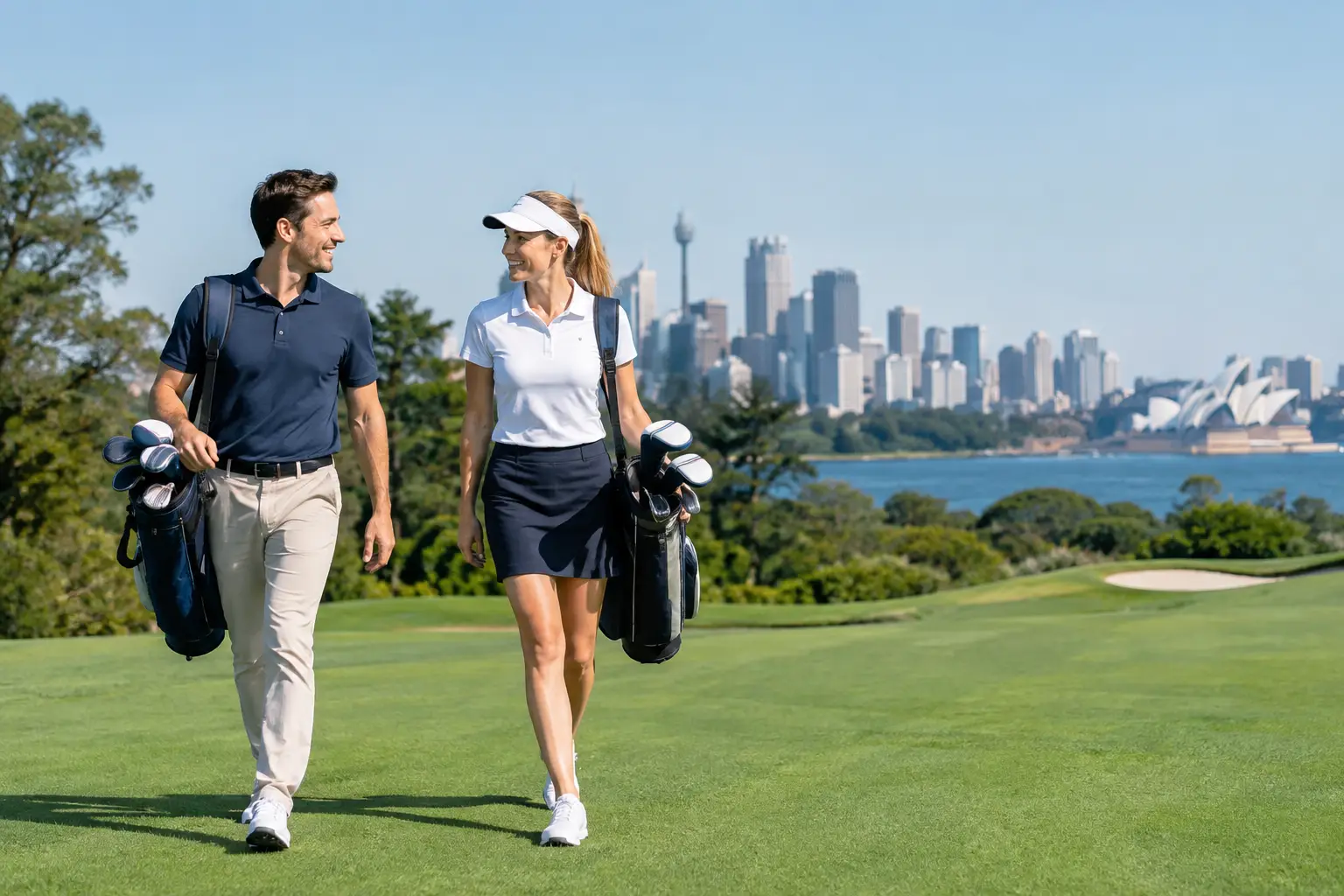
At Northbridge Golf Club, the setting makes this progression feel less intimidating. Young golfers can experience a genuine course in a scenic harbour-side park environment, while parents can enjoy the fact that the club is close to home and designed to welcome visitors as well as members.
Know when to keep it short
A full 18 holes is a big ask for most new junior golfers, regardless of age. Even confident children may find the walk, waiting time and concentration demanding. Start with a putting green, then a practice area, then a handful of holes. Bring water, a hat, sunscreen and a snack, particularly through a Sydney summer.
Modified games keep the pace enjoyable. Let a junior tee off closer to the hole, pick up after a few attempts or play a scramble with an adult. These adjustments do not lessen the experience. They make it appropriate, which is how children build the skills and confidence to play more independently later.
It is also fine if a child takes a break from golf. Interests change with school, sport and family schedules. A positive first experience means they can return months or years later without feeling they have failed or fallen behind.
Give them a reason to return
The juniors who stay with golf are rarely the ones who had the prettiest swing at age six. They are the ones who felt included, enjoyed time with friends or family, and saw the course as a place where they were welcome.
Start early if your child is curious, wait if they are not, and keep every first experience light enough to feel like play. A relaxed putt after school or a short weekend session can be the beginning of a game they carry with them for decades.